


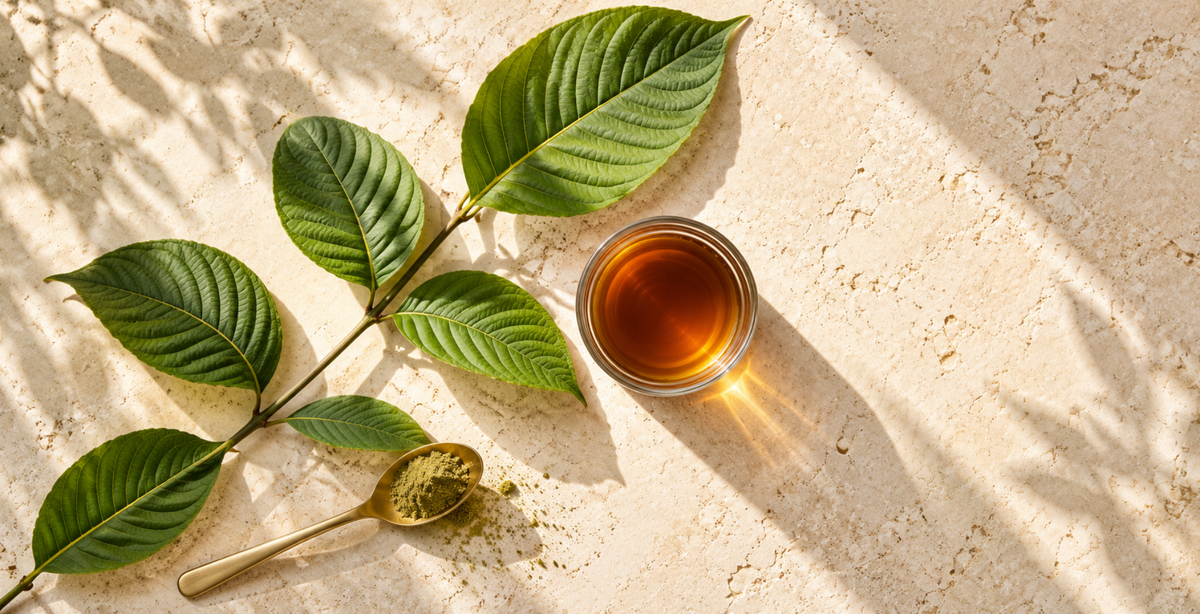
Strongest Kratom Shots: What to Know Before Choosing
Kratom products have evolved significantly over the past decade. While traditional dried leaves and powders once made up the bulk of the market, liquid extracts have become increasingly popular. Among the most widely purchased formats today are liquid kratom shots.
As more brands enter the space, many advertise their bottles as the strongest options available.However, navigating these claims requires an understanding of what goes into these formulations, how kratom extracts work, and what risks come with concentrated alkaloids.
What Makes a Kratom Shot Strong?

Not all liquid extracts deliver the same physiological punch. A shot advertised as "extra strength" might differ vastly from one labeled "ultra potent." Several critical variables determine the true potency of a liquid product:
-
Total Alkaloid Concentration: Potency comes down to pure milligrams of active alkaloids, not the fluid volume of the bottle. A 15 ml bottle containing 150 mg of mitragynine is significantly stronger per sip than a 60 ml bottle containing 100 mg of mitragynine.
-
The 7-Hydroxymitragynine Ratio: Standard whole leaf kratom contains barely detectable amounts of 7-OH.However, some specialized or chemically modified extracts elevate 7-OH concentrations. Because 7-OH has potent receptor binding affinity, even minor increases in its milligram count drastically heighten overall product strength.
-
Full Spectrum vs. Isolated Alkaloid Formulations: Full spectrum extracts preserve minor alkaloids that may interact naturally with one another. Isolates, on the other hand, separate specific target compounds to deliver high,unbuffered hits of individual alkaloids.
-
Enhanced and Fortified Extracts: Some manufacturers boil down large quantities of raw leaf into a dense extract and then spike it with isolated crystalline mitragynine or semi synthetic derivatives to maximize alkaloid numbers.
-
The Subjectivity of Marketing Labels: Descriptive terms such as "black label," "maximum strength," or "triple purified" are unregulated marketing choices. They carry no legal standard. A shot labeled "strongest" by one company may actually contain fewer active alkaloids than a competitor's entry level offering.
What Ingredients Are Found in Strong Kratom Shots?
 Liquid shots contain more than just botanical alkaloids. To maintain shelf life, suspension, and palatability, commercial formulas blend multiple ingredients:
-
Standardized Kratom Extracts: The core active ingredient, typically listed on the back panel by milligram weight of mitragynine per serving or total alkaloid volume per bottle.
-
Liquid Bases and Solvents: Purified water and vegetable glycerin (or propylene glycol) generally serve as the carrier liquid. Some formulas also incorporate ethanol to maintain alkaloid solubility.
-
Masking Agents and Sweeteners: Natural kratom extract has an intense, biting bitterness. Formulators use sucralose, stevia, monk fruit, citric acid, and artificial or natural fruit flavorings (such as citrus, berry, or coffee) to mask the sharp plant taste.
-
Preservatives and Stabilizers: Ingredients like potassium sorbate and sodium benzoate keep microbial growth at bay and prevent mold from spoiling the liquid on store shelves.
-
Secondary Botanical Extracts: Certain brands incorporate caffeine, L-theanine, black pepper extract (piperine), or taurine. These additions can alter subjective effects and make it difficult to determine whether physical sensations come from the kratom or added stimulants.
-
Third Party Lab Testing and Panel Verification: Reliable brands substantiate their ingredient panels through third party testing. A verifiable Certificate of Analysis (COA) confirms alkaloid levels and verifies that the liquid is free from heavy metals, residual solvents, pesticides, and microbial pathogens like salmonella.
What Are the Effects and Safety Risks of Strong Kratom Shots?
 Strong kratom shots act quickly and forcefully, which heightens the probability of adverse events. Users should understand both reported experiences and established clinical risks:
-
Subjective Effects vs. Scientific Data: Consumers often report alertness, focus, or mild energy at lower intakes,alongside sedation or physical ease at higher intakes. While anecdotal reports are widespread online, kratom has not been approved by the FDA as safe or effective for treating any medical condition, physical discomfort, or mood disorder.
-
Common Immediate Side Effects: Highly concentrated extracts frequently trigger adverse reactions, especially among individuals with lower tolerance. These include acute nausea, projectile vomiting, gastrointestinal cramps,dizziness, loss of coordination (often called "the wobbles"), excessive sweating, and constipation.
-
Tolerance, Physical Dependence, and Withdrawal: Because strong shots deliver large quantities of alkaloids in concentrated bursts, daily or frequent use can lead to rapid tolerance escalation. Over time, physical dependence can develop. Discontinuing use can lead to withdrawal symptoms, including muscle aches, insomnia, extreme restlessness, irritability, and diarrhea.
-
Severe Health Risks and Drug Interactions: Combining concentrated kratom with alcohol, benzodiazepines,prescription opioids, or over the counter sedatives creates serious risks of central nervous system depression,respiratory depression, and liver injury. In rare instances, excessive intake of concentrated alkaloids has been linked to seizures and cardiovascular strain.
-
Concentration Hazards: When consuming standard whole leaf powder, physical stomach discomfort often limits overconsumption. Liquid shots bypass this natural barrier, allowing consumers to take massive doses in seconds without feeling the fullness of bulk raw fiber.
What Should You Know Before Choosing a Kratom Shot?
 Selecting a product responsibly requires careful evaluation rather than falling for eye catching packaging:
-
Demand Complete Ingredient Transparency: Check the product label for a clear breakdown of serving sizes,number of servings per bottle, and exact milligrams of mitragynine and 7-OH. Avoid bottles that use vague "proprietary blend" terminology without clear alkaloid totals.
-
Prioritize Batch Specific Laboratory Reports: Purchase only from brands that provide accessible, third party lab results matching the lot number printed on your bottle. Verifying purity and actual alkaloid metrics protects against adulterated formulations.
-
Look Past the Word "Strongest": High potency is not an indicator of high quality. An excessively concentrated shot that causes acute dizziness or nausea offers little practical utility. Match your intake to your own personal tolerance rather than chasing arbitrary potency numbers.
-
Assess Manufacturer Reputation: Seek out vendors that follow established manufacturing standards, such as Current Good Manufacturing Practice (cGMP) guidelines. Trustworthy brands package products in tamper evident containers, provide clear caution labels, and maintain dedicated customer support.
-
Check State and Local Laws: Kratom legality is fragmented. While legal under federal law in the United States,several states, counties, and municipalities have banned its sale and possession. Always verify local ordinances before placing an order.
Conclusion
Strong kratom shots offer convenience, but higher potency does not mean better or safer. Clear alkaloid labeling and independent lab testing help assess product quality, though neither guarantees safety.
Frequently Asked Questions
Q1. What makes a kratom shot strong?
A kratom shot's strength is determined by the total milligram content of its active alkaloids, primarily mitragynine and 7-hydroxymitragynine, relative to its liquid volume. The extraction method, alkaloid purity, and the specific ratio of these compounds dictate potency far more than bottle size or promotional labels.
Q2. Are stronger kratom shots more effective?
Not necessarily. Higher alkaloid concentrations carry a much higher likelihood of causing adverse effects, such as nausea,dizziness, headaches, and lethargy. Greater potency also accelerates the development of physical tolerance, which reduces the perceived effectiveness of consistent servings over time.
Q3. What ingredients are found in kratom shots?
Kratom shots contain concentrated botanical extracts alongside carrier bases like water, ethanol, or vegetable glycerin.They also commonly contain natural or artificial flavors, citric acid, sweeteners such as sucralose or stevia, and preservatives. Some formulas also introduce secondary botanical extracts or caffeine.
Q4. Are concentrated kratom shots safe?
Concentrated kratom products carry notable risks and are not classified as safe by major regulatory health agencies.Taking concentrated extracts increases the risk of physical dependence, tolerance build up, unpleasant side effects, and dangerous interactions with other medications or alcohol.
Q5. What should I check before choosing a kratom shot?
Review the product panel for clear, precise milligram listings of mitragynine and 7-OH per serving. Confirm that the batch has an accessible third party Certificate of Analysis (COA) verifying purity and freedom from contaminants.Finally, verify the manufacturer's cGMP compliance and check your local laws.
Read more
Kratom has expanded rapidly across modern wellness markets, moving far beyond the crushed leaves and bitter teas historically used in Southeast Asia. Today, retail shelves and online storefronts fe...
What Is Mitragynine? Mitragynine is a naturally occurring plant chemical known as an alkaloid. It is the primary and most abundant active compound found in the leaves of Mitragyna speciosa, a tropi...
