


Mitragynine: Understanding Kratom’s Main Active Compound
What Is Mitragynine?
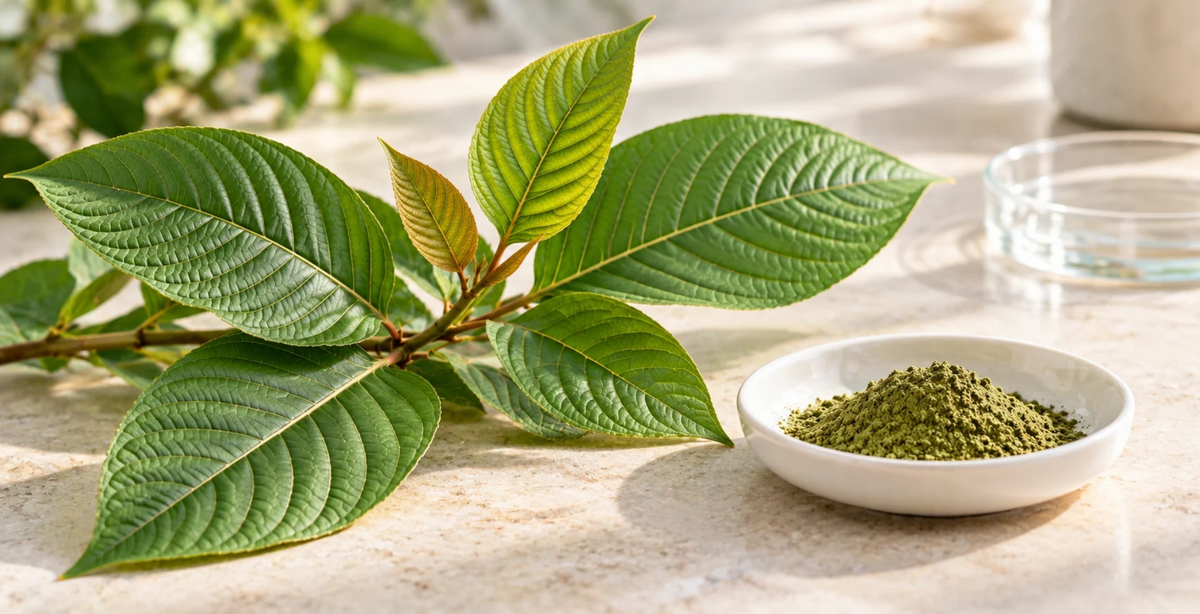
 Mitragynine is a naturally occurring plant chemical known as an alkaloid. It is the primary and most abundant active compound found in the leaves of Mitragyna speciosa, a tropical evergreen tree native to Southeast Asia, commonly referred to as kratom.
In terms of chemical composition, kratom leaves contain dozens of distinct alkaloids, but mitragynine makes up the vast majority of this profile. In dried plant material, mitragynine typically accounts for roughly 60 percent or more of the total alkaloid content. Because it is present in such high quantities compared to other compounds in the leaf, scientists consider it the primary driver of the plant's overall biological activity.
How Does Mitragynine Work in the Body?

The way mitragynine interacts with the human body is complex because it does not bind to just one type of cellular receptor. Instead, it engages multiple pathways across the central nervous system:
-
Partial Activation of Opioid Receptors: Mitragynine acts primarily as a partial agonist at mu-opioid receptors.Unlike classic prescription opioids or illicit opiates, it does not fully stimulate this pathway, and it interacts with receptors through atypical signaling mechanisms.
-
Non-Opioid Receptor Pathways: Beyond opioid receptors, mitragynine binds to alpha-2 adrenergic receptors,adenosine receptors, and certain serotonin receptors. This broad activity explains why it does not act purely like a traditional sedative or pain medication.
-
Dose-Dependent Biological Shifts: At lower amounts, its engagement with adrenergic and other non-opioid targets tends to stimulate central nervous activity. At higher amounts, its interaction with mu-opioid pathways becomes more dominant, leading to calming or numbing sensations.
-
Metabolic Conversion in the Liver: Once ingested, enzymes in the liver convert a portion of mitragynine into 7-hydroxymitragynine, a related metabolite that binds even more tightly to opioid receptors, adding another layer to how it impacts the body.
-
Variability in Individual Response: The exact physiological outcome varies widely from person to person.Factors such as individual metabolism, liver enzyme function, body mass, stomach contents, and personal tolerance all shape how mitragynine is processed and felt.
What Are the Potential Effects of Mitragynine?

The physical and mental effects associated with mitragynine span a wide spectrum, influenced heavily by intake amount and individual biological differences:
-
Changes in Alertness and Energy: At lower intake levels, people frequently report feelings of physical stamina,heightened focus, social openness, and mild stimulation similar to a strong cup of coffee.
-
Shifts in Mood and Emotional State: Users often describe a general sense of relaxation, reduced acute tension,and mild mood elevation, which stems from the compound's activity across serotonin and adrenergic receptors.
-
Altered Pain Perception: At higher intake levels, mitragynine's engagement with mu-opioid receptors can dull the sensation of physical discomfort and induce a relaxed, sedated bodily state.
-
Traditional Practices vs. Modern User Reports: Historically, laborers in Southeast Asia chewed fresh kratom leaves to stave off physical fatigue and endure long workdays in hot fields. Modern Western consumption, however,leans heavily toward dried powders and processed extracts taken for chronic discomfort, mood self-management, or relief from substance withdrawal.
-
Lack of Rigorous Clinical Validation: Despite widespread personal testimonials, controlled human clinical trials remain sparse. Current scientific understanding relies heavily on animal models and observational studies.
-
Absence of Approved Medical Uses: Global regulatory agencies, including the United States Food and Drug Administration (FDA), have not approved mitragynine or kratom as safe or effective treatments for any medical condition, illness, or disorder.
Mitragynine vs. 7-Hydroxymitragynine: What Is the Difference?

| Factor | Mitragynine | 7-Hydroxymitragynine |
|---|---|---|
| Structural Relationship | The parent alkaloid naturally present in the kratom plant. | An oxidized derivative of mitragynine. It may occur in trace amounts in leaf material and is also formed when the body metabolizes mitragynine. |
| Natural Abundance | A major alkaloid in kratom leaves, with concentrations that vary across plants and products. | Typically present in trace amounts or undetectable in unprocessed leaves. |
| Receptor Potency | Shows lower potency at mu-opioid receptors than 7-hydroxymitragynine in laboratory studies. | Shows substantially higher potency at mu-opioid receptors in laboratory studies. |
| Influence on Overall Effects | The dominant alkaloid in plain leaf material. Its effects also involve conversion into active metabolites. | Can contribute to effects through metabolism of mitragynine. Concentrated or enhanced products can increase exposure and intensify opioid-like effects. |
| Product Testing and Safety | Third-party testing helps identify alkaloid levels and contaminants. Plain leaf products are not risk-free. | Testing helps identify elevated or added levels. Products enriched with this compound can carry substantially greater risks than plain leaf material. |
What Are the Risks and Safety Concerns of Mitragynine?

Understanding the risks of mitragynine is critical, as its pharmacology carries real physiological consequences:
-
Common Acute Side Effects: Frequent mild-to-moderate adverse reactions include nausea, vomiting, dizziness,loss of coordination, dry mouth, constipation, headaches, and sudden drowsiness.
-
Risk of Physical Dependence: Regular, prolonged consumption can lead to physical and psychological dependence. The body adapts to daily alkaloid exposure, requiring higher doses to achieve the same result.
-
Withdrawal Symptoms: Ceasing regular use abruptly can trigger uncomfortable withdrawal effects, including muscle aches, severe insomnia, runny nose, sweating, irritability, anxiety, restlessness, and digestive upset.
-
Hazardous Drug Interactions: Mitragynine inhibits several key cytochrome P450 enzymes in the liver. This slows the breakdown of other medications, leading to dangerously high drug concentrations in the bloodstream when combined with prescription sedatives, antidepressants, or over-the-counter drugs.
-
Severe Adverse Reactions: Taking very high doses or mixing mitragynine with central nervous system depressants like alcohol, benzodiazepines, or prescription opioids can result in severe liver toxicity, seizures, heart palpitations,and life-threatening respiratory depression.
-
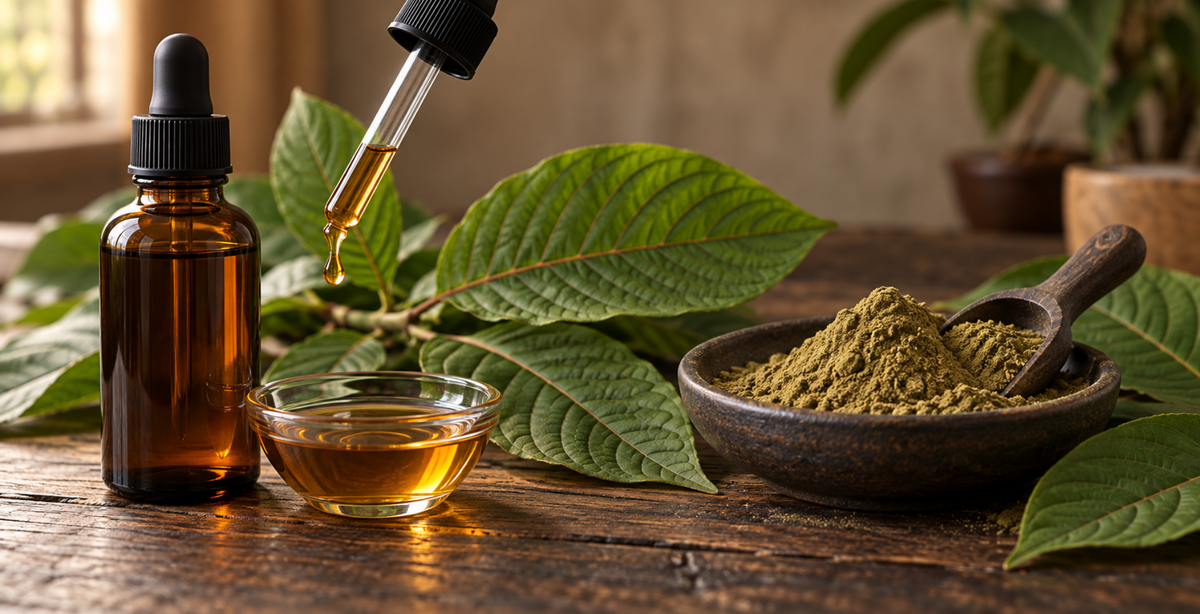
Dangers of Concentrated Extracts: Liquid shots, isolated alkaloid tablets, and enhanced powders bypass the natural limits imposed by raw plant material. These concentrated items drastically increase the probability of accidental overdose, rapid tolerance development, and severe dependence.
-
Unregulated Product Market: Because the botanical market lacks consistent federal oversight, commercial items frequently suffer from mislabeling, variable alkaloid strengths, and contamination with heavy metals, residual solvents, or harmful bacteria like Salmonella.
Conclusion
Mitragynine is the dominant, defining alkaloid within the kratom plant, responsible for the unique mix of stimulating and calming properties that users report. By interacting with opioid, adrenergic, and serotonin receptors, it produces complex,dose-dependent biological responses that vary widely among individuals. However, significant scientific limitations remain, and high-quality human trials are still in their infancy.
Frequently Asked Questions
1. What is mitragynine found in?
Mitragynine is found naturally in the leaves of Mitragyna speciosa, a tree indigenous to Southeast Asian countries such as Thailand, Malaysia, and Indonesia. It is present in raw leaves, crushed leaf powders, traditional teas, and manufactured extracts derived from the plant.
2. How does mitragynine affect the body?
It acts on multiple neural pathways, notably partial stimulation of mu-opioid receptors along with adrenergic and serotonin receptors. In lower amounts, this activity can produce mild alertness and elevated energy; in higher amounts, it can lead to physical relaxation, dulled discomfort, and drowsiness.
3. Is mitragynine the same as kratom?
No. Kratom is the entire botanical plant containing more than 40 distinct alkaloids, fiber, and organic matter. Mitragynine is just one single, isolated chemical compound, although it happens to be the most abundant active alkaloid in the plant.
4. What is the difference between mitragynine and 7-hydroxymitragynine?
Mitragynine constitutes the majority of natural kratom alkaloids and is less potent at opioid receptors. 7-hydroxymitragynine exists only in tiny trace amounts in raw leaves, but it binds far more strongly to opioid receptors and carries a much higher risk of dependence and sedation.
5. What are the potential risks of mitragynine?
Key risks include nausea, dizziness, digestive distress, physical tolerance, dependence, and uncomfortable withdrawal upon stopping. Combining it with other medications or using highly concentrated extracts raises the likelihood of severe complications, such as liver strain, seizures, or dangerous drug interactions.
Read more

Kratom products have evolved significantly over the past decade. While traditional dried leaves and powders once made up the bulk of the market, liquid extracts have become increasingly popular. Am...
The botanical wellness market has expanded rapidly over the past few years, bringing concentrated herbal products to mainstream attention. Among these, kratom has become a focal point for many cons...
