What Is 7-Hydroxymitragynine? A Complete Beginner’s Guide
If you have been exploring the world of adult botanical products lately, you might have come across a term that sounds like it belongs in a high school chemistry textbook: 7-hydroxymitragynine. Often shortened to 7OH or 7-OH, this compound is generating a lot of discussion and curiosity.
This beginner guide is designed to break down the facts in a simple, straightforward, and educational way. We will skip the overly dense scientific jargon and focus on clear, honest information so you can understand the basics of this unique alkaloid.
What Is 7-Hydroxymitragynine?
 To understand 7-hydroxymitragynine, we first need to understand where it comes from. This compound is a Mitragyna speciosa alkaloid. Mitragyna speciosa is the scientific name for kratom, a tropical tree native to Southeast Asia, particularly countries like Thailand, Indonesia, and Malaysia.
But what exactly is an alkaloid? In simple terms, alkaloids are naturally occurring compounds found in plants that can have distinct effects when they interact with living things. Common examples of alkaloids you encounter every day include caffeine in your morning coffee and theobromine in a piece of dark chocolate.
In the kratom plant, scientists have identified dozens of different alkaloids. The most abundant one is called mitragynine. The subject of our guide, 7-hydroxymitragynine, is a minor alkaloid found in very small amounts within the raw leaf.
While raw leaves contain only a tiny fraction of 7OH, modern processing techniques have allowed manufacturers to isolate and concentrate this specific compound. This is why 7-hydroxymitragynine extract products are very different from traditional, whole-leaf powders. The concentration of this single alkaloid is much higher in isolated products than it ever would be in nature.
How Is 7OH Different from Regular Kratom?
 A common point of confusion for beginners is assuming that all kratom-related products are essentially the same. They are not. Treating them as identical is like confusing a single, isolated vitamin pill with a whole, raw piece of fruit.
Traditional kratom products, like crushed leaf tea or raw green powder, represent the whole plant. When you consume traditional kratom, you are taking in a complex mixture of many different alkaloids working together, with mitragynine being the main component. Because 7OH exists in tiny, trace amounts in the raw leaf, its natural presence is very subtle.
On the other hand, 7-OH kratom products are highly specific. Instead of offering the full spectrum of the plant, these products utilize a standardized extract that focuses heavily on 7OH.
Because these products concentrate a single active alkaloid, they are much more potent by volume than regular plant powder. A tiny amount of an extract can carry a much higher concentration of the active compound than a massive spoonful of raw leaf. As a beginner, it is vital to recognize this distinction. Isolated alkaloid products require a completely different level of respect, caution, and awareness than traditional botanical teas.
What Formats Is 7OH Available In?
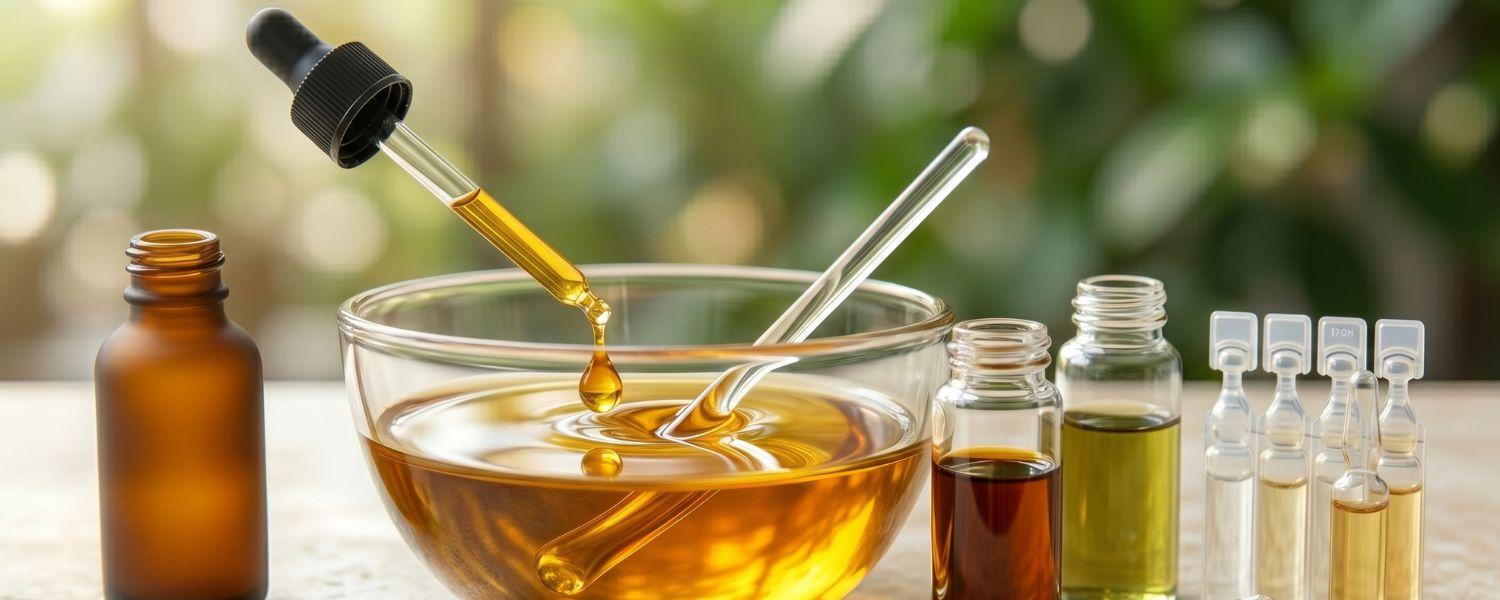
As the market for adult botanical products expands, manufacturers are finding different ways to package and deliver this alkaloid. If you look at options online or in stores, you will generally see a few primary formats.
Liquid Shots
These are small, liquid formulations that usually come in tiny bottles. They are often chosen for convenience because they are portable and do not require any mixing or preparation. However, because they are liquid, it can sometimes be tricky to measure an exact portion unless you pay very close attention to the markings on the bottle.
Tablets
Tablets are solid, compressed forms of the extract. Many beginners prefer tablets because they offer a very precise, pre-measured amount of the alkaloid. There is no guessing involved, as the exact milligrams are pressed directly into each piece.
Tinctures
Similar to liquid shots but often more concentrated, tinctures are usually sold in small glass bottles with a dropper lid. The dropper allows for highly specific portion control, but it requires a steady hand and careful reading of the product instructions.
Gummies
Gummies are chewy, flavored edibles infused with the extract. They are popular because they mask the naturally bitter, earthy taste of the botanical. While they are convenient and discrete, they must always be stored securely away from children and pets who might mistake them for regular candy
Who Is 7OH For?

When discussing 7-hydroxymitragynine, responsibility must always come first. These are adult botanical products, meaning they are strictly intended for individuals who are 21 years of age or older. They are absolutely not suitable for minors.
In addition to the age restriction, certain groups of people should avoid these products entirely. If you are pregnant, planning to become pregnant, or nursing, you should not use 7OH. Furthermore, anyone with an underlying medical condition or those currently taking prescription medications should completely steer clear until they have consulted with a qualified medical professional.
Safety also extends to how you behave after using these products. Because alkaloids can affect people differently, you should never mix 7OH with alcohol, prescription drugs, or other botanical substances. Additionally, you must never drive a car, operate heavy machinery, or engage in any potentially dangerous activities after consuming a 7OH product. Keeping it restricted to responsible, adult-only settings is the only correct way to approach it.
How to Read a 7OH Label
 One of the best ways to protect yourself as a consumer is to learn how to read a 7OH product label properly. A label should never be a mystery. It is your primary source of truth regarding what you are putting into your body.
When examining a package, look for the following key pieces of information:
-
Active Milligrams Per Serving: This tells you exactly how much 7-hydroxymitragynine is in a single single serving.
-
Servings Per Container: This is where many beginners make mistakes. A single bottle or pack might contain two, three, or four separate servings.
- Never assume that a whole bottle equals one serving. If a bottle says 15mg per serving and contains three servings, the total amount in the bottle is 45mg. Always do the math.
- Standardized Extract Details: Look for wording that confirms the extract has been standardized. This means the manufacturer has verified the consistency of the active compound across every batch.
Warnings and Restrictions: Responsible brands will clearly print age warnings, health disclaimers, and information regarding state restrictions, as some areas have specific laws regarding kratom alkaloids.
What to Look for in a Responsible 7OH Brand
 Because the botanical market is growing rapidly, the quality of brands can vary wildly. Some companies are purely profit-driven, while others prioritize consumer safety, education, and transparency. As a beginner, you should only ever buy from brands that demonstrate a high level of responsibility.
-
First and foremost, look for transparent supplement labeling. A trustworthy company does not hide its ingredient amounts behind proprietary blends. You should see clear, exact numbers on the package.
- Second, verify that the company utilizes third-party tested botanicals. Third-party testing means an independent, outside laboratory has analyzed the product to confirm two things: that it actually contains the amount of 7OH listed on the label, and that it is free from harmful contaminants like heavy metals, pesticides, or residual solvents.
Furthermore, a good brand communicates honestly. They do not make exaggerated health claims, and they do not promise that their products will treat, cure, or heal any medical conditions.
Boosted Botanix is an excellent example of a brand that approaches the market the right way. They focus heavily on adult-use education and provide highly transparent product pages so that consumers can make fully informed decisions before making a purchase.
Conclusion
Exploring 7-hydroxymitragynine starts with making informed choices. Understanding its unique properties, checking product labels carefully, and choosing lab-tested, transparent products can help you approach this compound with greater confidence. A knowledge-first approach is always the best foundation for a safer and more responsible experience.
FAQ Section
Q1. What is 7-hydroxymitragynine?
It is a naturally occurring alkaloid found in very small trace amounts within the Mitragyna speciosa plant, commonly known as kratom. In the consumer market, it is typically isolated and concentrated into specialized extracts.
Q2. Is 7OH the same as regular kratom?
No, it is not the same. Regular kratom consists of the whole leaf, which contains a wide mix of many different alkaloids in low concentrations. 7OH products are specialized formulas that isolate and concentrate one specific minor alkaloid, making them much more potent by volume.
Q3. What formats does 7OH come in?
The most common formats found in the adult botanical market include liquid shots, compressed tablets, liquid tinctures with droppers, and chewable gummies.
Q4. How do you read a 7OH label?
You should look for the specific milligrams of the active compound per serving, the total number of servings in the package, clear ingredient listings, warnings, a batch or lot number, and a link or code to view third-party laboratory test results.
Q5. Who should avoid 7OH products?
These products must be avoided by minors under the age of 21, individuals who are pregnant or nursing, anyone with pre-existing medical conditions, and people taking medications. They should also never be used by anyone planning to drive or operate machinery.
Q6. What makes a responsible 7OH brand?
A responsible brand prioritizes clean formulations, utilizes transparent product labeling, provides easily accessible third-party lab testing details, makes no unverified medical claims, and focuses on adult-use education.