



What Are the Benefits of Kratom? A Complete Guide
Kratom has gained attention among people interested in natural botanicals, particularly for its reported effects on energy, comfort, and focus. Personal accounts often describe different experiences, but these reports do not carry the same weight as scientific evidence. Understanding the difference is essential when considering claims about its potential benefits.
This guide explains what kratom is, how it works in the body, and the reasons people use it. It also examines the research surrounding its potential effects, alongside safety concerns such as side effects, dependency, drug interactions, and product quality. By separating user experiences from research findings, this guide offers a balanced overview of kratom and the uncertainties that remain.
What Is Kratom and How Does It Work?
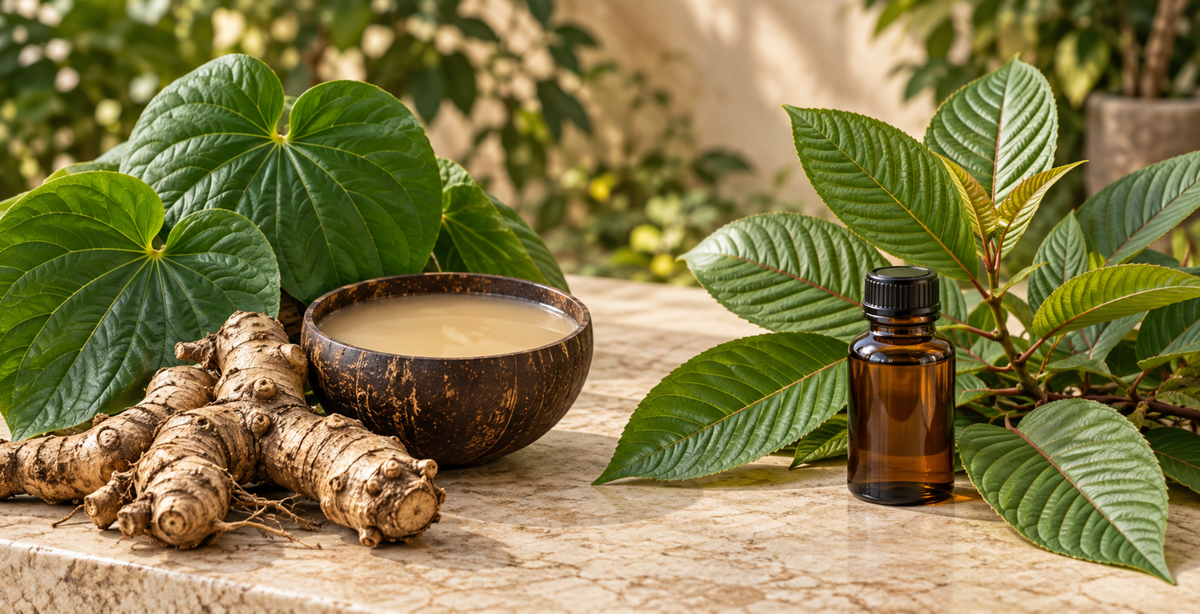
 To understand how kratom functions, it helps to start with its natural origin. Kratom is a botanical product harvested from Mitragyna speciosa, a tropical evergreen tree belonging to the coffee family (Rubiaceae). This tree thrives naturally in Southeast Asia, especially across nations like Thailand, Malaysia, Indonesia, and Papua New Guinea.
Traditional Roots and Natural Harvest
For centuries, indigenous communities, rural laborers, and farmers in Southeast Asia used fresh kratom leaves to counter fatigue during long workdays in hot, demanding climates. Laborers traditionally chewed the fresh leaves directly or brewed dried foliage into bitter teas. These traditional practices aimed to promote endurance, sustain stamina, and ease minor physical tension after strenuous physical tasks.
How Kratom Works in the Body
When consumed, these plant compounds enter the bloodstream and interact with several neurochemical targets across the central nervous system. Most notably, mitragynine and 7-hydroxymitragynine bind as partial agonists to mu-opioid receptors. They also interact with alpha-adrenergic, adenosine, and serotonin receptor sites.
Because of this unique multifaceted pharmacology, kratom often produces dose-dependent reactions:
-
Lower amounts tend to stimulate adrenergic pathways, resulting in sensations associated with physical vigor and alertness.
-
Higher amounts primarily trigger opioid receptor mechanisms, resulting in sensations of relaxation, calm, and physical ease.
What Are the Potential Benefits of Kratom?

Kratom’s potential benefits are largely based on personal experiences and consumer reports rather than strong clinical evidence. Commonly reported effects include:
-
Energy and Alertness: Some users report increased energy, mental focus, and stamina, helping them feel more engaged in daily activities.
-
Relaxation and Mood: Users often describe a sense of calm and improved mood, particularly when unwinding after a stressful day.
-
Physical Comfort: Some people report temporary relief from soreness, stiffness, and other physical discomfort.
-
Daily Functioning: Some users say kratom helps them maintain motivation and manage everyday tasks when feeling sluggish.
- Limited Scientific Evidence: These experiences do not establish kratom as a safe or effective treatment. Personal testimonials cannot replace clinical research into its benefits and risks.
What Are the Commonly Reported Uses of Kratom?
 Modern consumer habits have evolved significantly from historical practices. People today consume kratom in capsules, processed powders, and concentrated liquid extracts for several distinct purposes:
-
Traditional Work Endurance: Historically, manual laborers chewed raw foliage to endure intense heat, combat exhaustion, and power through physical field work.
-
Modern Daytime Focus: In contemporary settings, professionals and students sometimes use mild servings in place of energy drinks to support productivity and focus during long mental tasks.
-
Physical Discomfort Management: Many individuals who struggle with daily aches seek botanical alternatives to help manage their routine physical discomfort and mobility challenges.
-
Lack of Formal Clinical Confirmation: Medical professionals strongly caution against using kratom as an unmonitored treatment for substance dependency or chronic illness. These uses lack standardized dosing guidelines and carry clear risks that need further formal study.
What Are the Side Effects and Risks of Kratom?
 Evaluating any natural supplement requires a balanced understanding of its adverse effects. Because kratom stimulates opioid and adrenergic pathways, it brings real health risks and undesirable side effects:
-
Digestive Complaints: Nausea, vomiting, stomach cramps, and persistent constipation are among the most frequent negative reactions reported by users.
-
Dizziness and Sedation: Higher amounts can cause lightheadedness, tremors, loss of motor coordination, and overwhelming drowsiness.
-
Cardiovascular Changes: Stimulation from active alkaloids can cause elevated heart rate, palpitations, and temporary spikes in blood pressure.
-
Dependence, Tolerance, and Withdrawal: Regular or daily consumption can lead to physical dependence. Stopping intake abruptly often produces classic withdrawal symptoms such as insomnia, muscle aches, irritability, sweating, and runny nose.
-
Severe Health Complications: In high doses or prolonged use, rare but serious events have occurred, including liver toxicity, seizures, respiratory depression, and severe psychological distress.
What Does Research Say About Kratom Benefits?
 Modern research into kratom health effects is ongoing, offering fascinating insights while emphasizing significant gaps in our understanding:
-
Understanding Active Alkaloids: Laboratory studies have established that mitragynine acts as an atypical partial opioid agonist with biased signaling pathways, which may cause less respiratory depression in animal models than traditional opioids.
-
Traditional History vs. Clinical Data: Centuries of folk use demonstrate cultural familiarity, but historical use does not equate to modern safety standards or clinical efficacy in diverse populations.
-
Lack of Human Clinical Trials: The vast majority of available data stems from animal models, cell cultures, and self-reported consumer surveys. Large-scale, double-blind, placebo-controlled human trials are still missing.
-
Product Inconsistency Issues: Research teams frequently highlight that commercial powders vary drastically in strength, making scientific consensus on standard serving sizes and toxicity thresholds difficult to establish.
-
Not a Medical Replacement: Health agencies emphasize that kratom is not an approved medication. It should never be used to replace evidence-based medical treatments, professional pain management, or supervised addiction therapy.
Conclusion
Kratom’s reported benefits include increased alertness, relaxation, and relief from discomfort, but research remains limited. Potential risks include dependence, side effects, drug interactions, and contamination. Before considering kratom, check local laws and consult a qualified healthcare professional.
Read more
If you enjoy a shell of traditional kava to unwind after a stressful day, you might wonder what happens once the calm feeling fades. While the relaxing physical sensations may only linger for a few...

Modern daily schedules often leave people searching for natural ways to relax, unwind, and clear their minds. Over the past few years, kava has transformed from a traditional South Pacific ceremoni...
