



What Are the Effects of Kratom? A Complete Guide
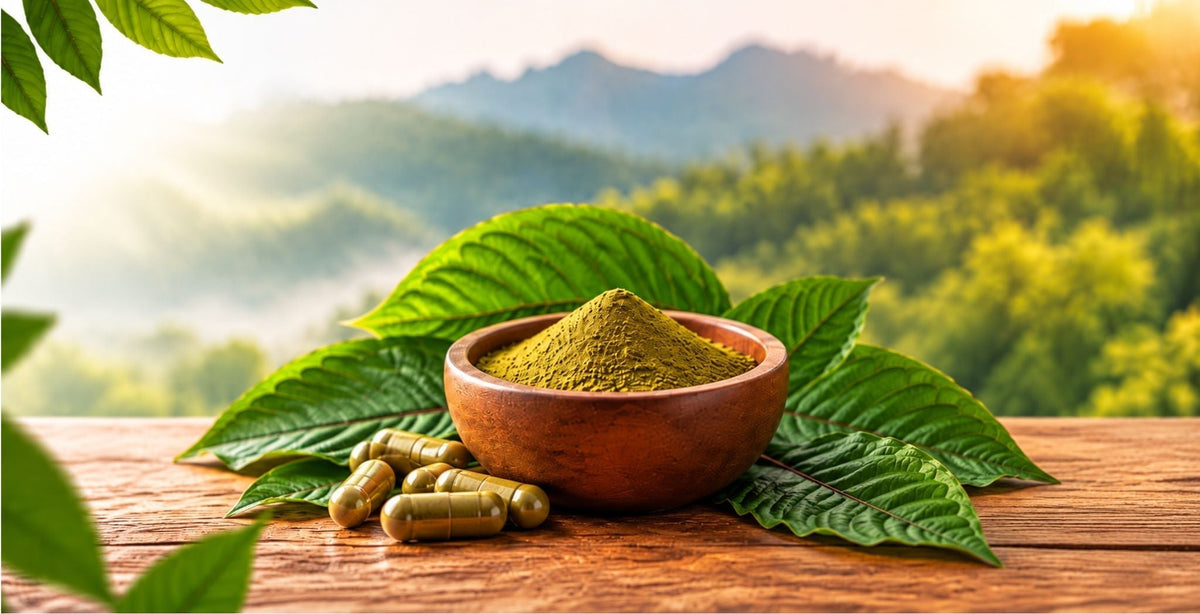
Kratom is a herbal substance made from the leaves of Mitragyna speciosa, a tropical tree native to Southeast Asia. It is commonly available as powder, capsules, or liquid extracts and is known for producing different effects depending on the product, dosage, individual biology, and other substances involved.
This guide explores kratom’s commonly reported effects, potential benefits, side effects, duration, and important safety considerations to help you better understand how it may affect the body.
What Is Kratom and How Does It Work?

Origin and Traditional Uses
Mitragyna speciosa belongs to the Rubiaceae family, which is the same botanical family as the coffee tree. For centuries, farmers, day laborers, and indigenous communities in Thailand, Malaysia, Indonesia, and Papua New Guinea have chewed fresh kratom leaves or brewed them into tea. Traditionally, workers used kratom to ward off fatigue during long hours of intense physical labor under hot weather, while herbal practitioners occasionally used it during community rituals or to soothe minor aches and digestive troubles.
Main Kratom Alkaloids
The leaves of the plant contain more than 40 distinct chemical compounds called alkaloids. Two primary alkaloids drive most of kratom's biological activity:
-
Mitragynine: This is the most abundant alkaloid found in natural leaf material, often making up around 60 percent of total alkaloid content. It plays a central role in the stimulating and alerting qualities reported by users.
-
7-Hydroxymitragynine: Present in much smaller quantities naturally, this alkaloid has a significantly higher potency when binding to receptor sites in the nervous system. It is primarily linked to relaxation, sedation, and pain signaling changes.
Receptor Interactions
How does kratom work in human physiology? Unlike simple stimulants or pure sedatives, kratom interacts with several distinct neurochemical systems.
Most notably, mitragynine and 7-hydroxymitragynine act as partial agonists at mu-opioid receptors in the brain and spinal cord. When they bind to these sites, they influence how the body processes pain perception, emotional states, and physical comfort. At the same time, kratom alkaloids interact with adrenergic, serotonergic, and dopaminergic pathways.
This multi-receptor activity explains why kratom can produce stimulating sensations at lower quantities and sedating, calming sensations at higher amounts.
Why Effects Differ Between Products and People
No two kratom products are entirely identical. The chemical profile of the leaf changes according to the region where the tree grew, the age of the tree, soil conditions, sunlight exposure, harvest timing, and post-harvest drying techniques. Products marketed as red vein, white vein, or green vein often reflect distinct curing processes that alter the balance of alkaloids. Furthermore, concentrated extracts contain much higher alkaloid ratios than dried raw powder.
On an individual level, variations in liver enzyme function, body mass, overall health, and personal tolerance ensure that two people taking the exact same batch may report completely different experiences.
What Effects Can Kratom Have?
 Increased Alertness and Energy
At lower quantities, consumers frequently describe an energizing sensation. This can manifest as:
-
A feeling of heightened physical energy
-
Sharper focus and mental clarity
-
Increased talkativeness and sociability
-
A reduction in physical sluggishness
Many compare this lighter phase to the lift provided by strong coffee, though it often carries a unique physical warmth.
Relaxation and Sedation
As the amount consumed increases, the character of the experience changes. Sedative properties become dominant, which may lead to:
-
Muscle relaxation and reduced physical tension
-
A slowing down of racing thoughts
-
Feelings of tranquility or calmness
-
Drowsiness, sometimes making it easier to drift off to sleep
Changes in Mood
Users frequently report an elevation in mood, often described as a mild sense of contentment or optimism. By interacting with opioid and dopamine pathways, kratom can temporarily diminish feelings of daily stress or nervous apprehension, leading some individuals to seek it out as an informal emotional buffer.
Possible Pain-Relieving Effects
A primary reason people investigate kratom is its reputation for managing physical discomfort. Because its key alkaloids attach to opioid receptors, users frequently report temporary relief from chronic aches, joint stiffness, or muscular strain.
Medical Status of Kratom
It is critical to note that scientific research into kratom is still developing. Major health agencies, including the United States Food and Drug Administration (FDA), have not approved kratom as a safe or effective treatment for pain, anxiety, depression, opioid dependency, or any other medical condition. Most reported benefits stem from observational surveys, user forums, and preliminary animal studies rather than robust, randomized human clinical trials.
What Are the Potential Benefits and Side Effects?

When evaluating kratom benefits, you must carefully separate self-reported user satisfaction from verified medical outcomes. While many people use kratom to seek greater stamina during work, manage everyday stress, or cope with lingering physical discomfort, taking the botanical carries real, predictable risks.
Common Side Effects
Kratom alters bodily systems that control digestion, balance, and heart rhythm. Commonly reported adverse reactions include:
-
Nausea and Vomiting: Frequently experienced by newer consumers or those who take concentrated products.
-
Constipation: Because kratom stimulates opioid receptors in the gastrointestinal tract, it slows intestinal motility, leading to chronic digestive sluggishness.
-
Dizziness and Lightheadedness: Often referred to in community groups as the wobbles, characterized by difficulty focusing the eyes and loss of balance.
-
Drowsiness: An unintended heavy fatigue that can impair driving or operating equipment.
-
Dry Mouth: Dehydration and persistent thirst are very common.
-
Increased Heart Rate: Heart palpitations, sweating, and transient blood pressure spikes can occur, particularly during the energizing phase.
Dependence, Withdrawal, and Substance Interactions
Beyond minor day-to-day side effects, kratom presents deeper physiological risks:
-
Tolerance and Physical Dependence: Regular, repeated intake can cause the body to adapt to the alkaloids. Over time, higher amounts are required to achieve the initial sensations.
-
Withdrawal Symptoms: If a regular user abruptly stops taking kratom, they may experience classic withdrawal signs. These include muscle aches, sweating, insomnia, runny nose, severe restlessness, diarrhea, irritability, and rebound anxiety.
-
Polysubstance Interactions: Mixing kratom with other central nervous system depressants, such as alcohol, benzodiazepines, prescription opioids, or sleep aids, poses severe risks of respiratory depression, extreme sedation, and overdose. Combining it with stimulants or certain antidepressants can likewise raise the risk of cardiovascular complications or serotonin-related toxicity.
How Long Do Kratom Effects Last and What Affects Them?
 There is no fixed schedule that applies to every individual, but typical experiences follow a general pattern.
In general, when taken in powdered or capsule form, onset begins within 15 to 30 minutes. The primary effects usually peak around 1 to 2 hours after consumption. From there, the sensations gradually taper off over the course of 3 to 6 hours. However, some lingering feelings, such as relaxation or subtle lethargy, may persist into the following morning.
Several key variables dictate both the duration and intensity of the experience:
-
Product Formulation: Raw crushed leaf powder takes longer to digest, whereas concentrated liquid extracts or isolated alkaloid tinctures absorb rapidly, producing faster onset, sharper peaks, and often shorter durations.
-
Amount Consumed: Larger quantities take longer for liver enzymes to process, generally prolonging the sedative phase.
-
Individual Metabolism: Genetic variations in cytochrome P450 enzymes (particularly CYP2D6 and CYP3A4) dictate how fast the liver converts and clears mitragynine.
-
Previous Use and Tolerance: Seasoned consumers process the alkaloids differently than first-time users and may experience shorter-lived effects.
-
Food Intake: Consuming kratom on an empty stomach triggers rapid absorption, while taking it after a heavy meal can delay onset by an hour or more and flatten the peak intensity.
-
Co-administered Substances: Any medication or beverage that inhibits liver clearance can prolong the time kratom remains active in the body.
What Should You Know About Kratom Safety?
 Evaluating kratom safety requires careful attention to the product source, personal medical history, and manufacturing standards. Because the kratom market is largely unregulated on a federal level in many countries, consumer safety remains an ongoing challenge.
Quality and Contamination Concerns
Laboratory analyses conducted by public health authorities have repeatedly found unlisted contaminants in commercial kratom batches. Reported issues include:
-
Heavy Metals: Elevated concentrations of lead, nickel, and arsenic absorbed from contaminated soil during cultivation.
-
Bacterial Contamination: Salmonella outbreaks linked to unsanitary processing and drying methods in tropical production areas.
-
Synthetic Adulterants: Products secretly spiked with synthetic opioid compounds or pharmaceutical tranquilizers to artificially boost their potency.
Serious Adverse Events
Although mild side effects are far more common, medical records document instances of acute liver toxicity, seizures, abnormal cardiac events, and fatalities associated with kratom. In the vast majority of fatal cases, coroners noted polysubstance use, where kratom was consumed alongside illicit drugs, prescription painkillers, or alcohol.
Conclusion
Kratom can have different effects depending on dosage, quality, and individual response. While some people report potential benefits, it is important to be aware of possible side effects, dependence risks, and safety concerns. Understanding its effects can help users make more informed choices.
Frequently Asked Questions
Q1 How strong is kratom compared to opioids?
Kratom is generally considered less potent than traditional opioids like morphine or oxycodone. However, concentrated extracts may produce stronger effects and increase the risk of dependence.
Q2 What kind of effects does kratom produce?
The effects depend on the amount used. Lower amounts may feel stimulating and uplifting, while higher amounts may create relaxation, calmness, and physical heaviness.
Q3 What is kratom commonly called?
Kratom is usually sold under its common name, though some regions use traditional names like Ketum, Biak-Biak, or Thang. Products may also be labeled by strain names such as Bali or Maeng Da.
Q4 How does kratom make you feel?
Kratom may cause effects such as improved mood, relaxation, increased energy, or reduced discomfort. The experience varies based on dosage, product type, and individual factors.
Q5 What are the common side effects of kratom?
Common side effects may include nausea, dizziness, dry mouth, constipation, sweating, headaches, and fatigue. Higher amounts may increase the risk of dependence and withdrawal symptoms.
Read more
Choosing the right botanical product often comes down to understanding how it is made and how it fits into your daily routine. In the herbal marketplace, kratom powder and kratom extract stand out ...
Kratom is a tropical evergreen tree native to Southeast Asia, including Thailand, Indonesia, and Malaysia. Its leaves contain natural plant compounds, trace minerals, and active alkaloids.The nutri...
