


Kratom Extract vs Powder: Key Differences, Uses, and Benefits
Choosing the right botanical product often comes down to understanding how it is made and how it fits into your daily routine. In the herbal marketplace, kratom powder and kratom extract stand out as two of the most widely available options. While both originate from the leaves of the Mitragyna speciosa tree native to Southeast Asia, they are far from identical.
What Is Kratom Powder?
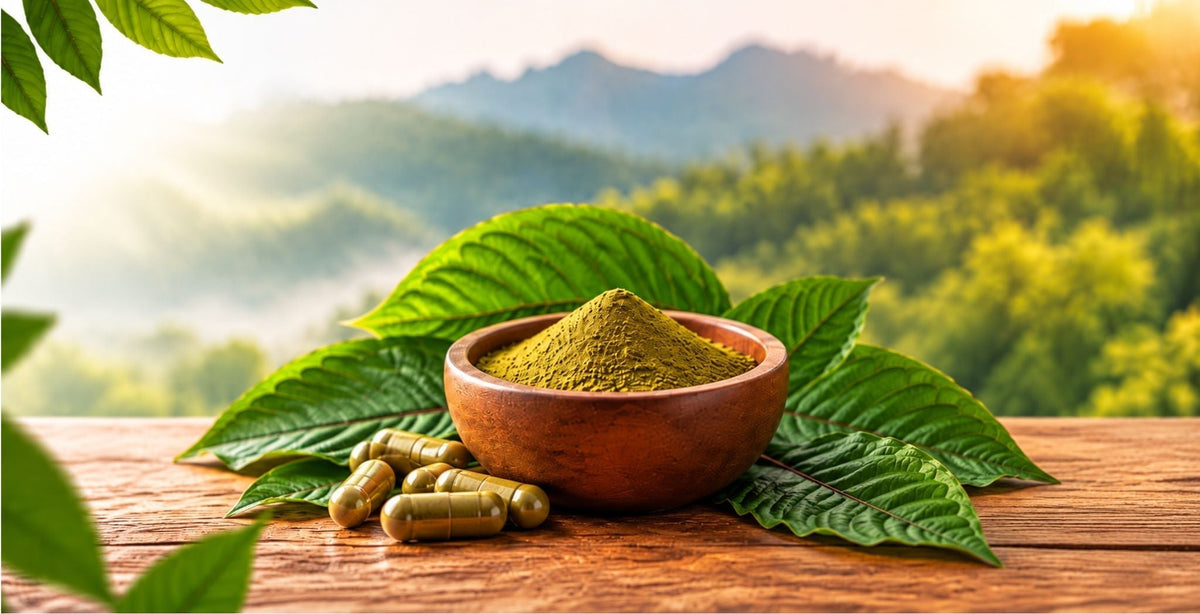
 Kratom powder represents the traditional, whole leaf form of the plant. For generations in Southeast Asian communities, harvesters collected the mature leaves of the Mitragyna speciosa tree, dried them thoroughly, and crushed them for daily use. Modern processing follows a very similar path using industrial food grade machinery.
Production and Basic Characteristics
To make standard kratom powder, fresh leaves are picked and sorted by their vein color, typically red, green, or white. Once sorted, the leaves undergo a controlled drying process, either indoors under specialized lighting or outdoors under natural sunlight. Drying cures the plant material and influences the final profile of active alkaloids like mitragynine. After drying, the leaves are stripped of large stems and veins, then milled into a fine, flour like consistency.
Kratom powder is commonly sold in:
-
Loose bulk pouches ranging from small sample sizes to one kilogram bags
-
Pre measured vegetable or gelatin capsules
-
Pressed raw plant tablets
Why Consumers Choose Powder
Many buyers favor plain leaf powder because it preserves the complete, natural balance of the plant. A standard serving contains the full spectrum of secondary alkaloids alongside natural plant fibers. In addition, loose powder offers high versatility. It can be mixed into liquids, brewed into herbal teas, or measured precisely on a gram scale. From an economic standpoint, plain leaf powder usually delivers the lowest cost per gram of raw botanical material.
Quality and Labeling Considerations
When shopping for raw leaf products, product quality and labeling transparency are paramount. High quality powder should have an earthy, fresh aroma and a consistent texture free from coarse stems or debris. Reputable brands always test their powder batches through independent, third party laboratories to verify purity, screen for heavy metals, and confirm the exact mitragynine percentage on the packaging.
What Is Kratom Extract?

Kratom extract is an isolated, concentrated version of the plant. Instead of keeping the entire fibrous leaf intact, manufacturers use specialized extraction techniques to pull out the most active compounds while leaving the bulk plant matter behind.
The Extraction Process
Creating an extract begins with standard kratom leaves or crushed powder. Producers soak the material in a food grade solvent, such as water, ethanol, or food grade alcohol, sometimes adding a mild acid like citric acid to help separate the alkaloids from the cellulose.
Once the alkaloids dissolve into the liquid solution, the mixture is carefully strained to remove all spent solid plant matter. The remaining liquid is evaporated or reduced using controlled low heat. Depending on the intended end product, the manufacturer either reduces the liquid into a thick concentrate or dries it completely into an ultra fine crystalline powder.
Common Extract Formats
Extracts come in a wide variety of formats designed for simple handling:
-
Liquid extract shots sold in small portable bottles
-
Concentrated extract powders with rich brown or amber hues
-
Extract softgels and capsules with standardized alkaloid counts
-
Liquid tinctures equipped with drop counters
-
Infused botanical gummies and chewable tablets
Concentration and Label Variations
The most critical factor to grasp regarding extracts is concentration. Because the bulk fiber is discarded, a small amount of extract holds the active alkaloid content of several grams of raw leaf.
Historically, brands labeled extracts with ratios such as 10x or 50x. While common, these ratios simply describe the starting weight of raw leaf compared to the finished extract weight. They do not indicate the exact alkaloid strength. Modern, quality focused manufacturers now label their extracts by total milligrams of active mitragynine per serving. Because strengths vary wildly across brands, reading product packaging carefully is essential before handling any extract product.
Kratom Extract vs Powder: What Is the Difference?
 Comparing kratom powder vs extract highlights distinct differences in how each product is packaged, measured, and used.
Kratom Powder vs. Kratom Extracts
| Factor | Plain Kratom Powder | Kratom Extracts |
|---|---|---|
| Processing and Composition | Made from dried kratom leaves ground into powder. It retains much of the plant's natural fiber and other leaf components. | Produced by processing kratom material to concentrate selected alkaloids. The final composition depends on the extraction method and formulation. |
| Concentration and Alkaloid Levels | Generally has a lower alkaloid concentration by weight, although levels vary between products and batches. | Designed to provide more concentrated alkaloids in a smaller quantity. Strength varies, making product labels and testing important. |
| Convenience and Portability | Usually sold in bags or containers. Measuring and mixing the powder can be less convenient when travelling. | Available in formats such as liquids and capsules, which may be easier to carry and store. |
| Ease of Measuring | Requires careful measurement. Alkaloid content can vary even when the same weight of powder is used. | Some products list the amount of extract or alkaloids per serving, but concentrations and serving sizes differ. |
| Cost and Economic Value | Often has a lower purchase price per gram because it generally requires less processing. | Often costs more due to extraction, formulation, packaging, and testing. Compare concentration and serving size when evaluating prices. |
| Safety and Tolerance Considerations | Can cause side effects, dependence, withdrawal symptoms, and interactions with other substances. Lower concentration does not mean risk-free. | Concentrated formulations may make it easier to consume large amounts of alkaloids. Frequent use can lead to tolerance and dependence. |
Which Option Should You Choose?
 Deciding between the best kratom powder and the best kratom extract depends on your lifestyle, experience level, and personal goals. Neither choice is universally superior; each serves distinct needs.
Shoppers should evaluate several practical factors before purchasing:
-
Desired Product Format: Decide whether you prefer mixing loose leaf into beverages, brewing teas, or taking quick, pre formulated capsules and liquids.
-
Convenience Needs: If you travel frequently or need an option for busy workdays, ready to use extract formulations save time and effort.
-
Ingredient Transparency: Review the packaging for clear ingredient lists. High quality extracts should clearly state any secondary ingredients, flavorings, or preservatives used in the liquid base.
-
Third Party Lab Testing: Reliable vendors verify their products through accredited laboratories. Always confirm that current Certificates of Analysis are readily available online or via QR codes on the package to ensure products are free of contaminants and accurately labeled.
-
Brand Reputation: Purchase only from vendors that adhere to Good Manufacturing Practice standards and have consistent, verifiable customer feedback.
-
Personal Experience and Tolerance: Those who are new to botanicals typically begin with standard whole leaf powder. It provides a gentler introduction to the plant and makes it easier to track personal tolerance levels gradually.
Conclusion
Understanding the difference between kratom extract and powder allows you to choose the product that best aligns with your daily habits and personal preferences. Plain kratom powder offers an unrefined, whole leaf botanical experience that is budget friendly and versatile. Kratom extract offers a concentrated, refined alternative designed for fast convenience, compact storage, and standardized servings.
Frequently Asked Questions
Q1 How much stronger is kratom extract than powder?
Kratom extract can be anywhere from 3 to 50 times stronger than standard raw leaf powder by weight. Plain powder usually contains 1 to 2 percent mitragynine, while extracts can contain 10 to 45 percent or more. Always check the total milligrams of active mitragynine on the product label to evaluate true potency.
Q2 What is better, powder or extract?
Neither product is inherently better. Plain powder is ideal for consumers who prefer a natural, whole plant product with high economic value. Extract is better suited for individuals who prioritize convenience, fast portability, and small, standardized serving sizes without the mess of raw plant powder.
Q3 Which type of kratom is most effective?
Perceived effectiveness depends entirely on the alkaloid profile, serving size, and individual body chemistry. A high quality plain powder can be just as satisfying as an extract when measured properly. Extracts simply provide the same alkaloid presence in a significantly smaller physical volume.
Q4 Is kratom extract more convenient than powder?
Yes, kratom extract is generally far more convenient. Extract products come in pre measured capsules, small pocket sized liquid bottles, or gummies that can be consumed immediately without measuring tools, mixing liquids, or cleaning up messy green powder residue.
Q5 What should I look for when buying kratom extract or powder?
Look for vendors that provide transparent, third party laboratory testing for purity, heavy metals, and alkaloid content. Ensure the packaging clearly lists total mitragynine content per serving, batch numbers, and standard safety seals. Verify that the company follows established Good Manufacturing Practices.
Read more
Kava is an ancient beverage made from the root of the Piper methysticum plant, native to the islands of the South Pacific. For centuries, island communities have prepared and shared it during cerem...

Kratom is a herbal substance made from the leaves of Mitragyna speciosa, a tropical tree native to Southeast Asia. It is commonly available as powder, capsules, or liquid extracts and is known for ...
