


What Does Kava Taste Like? Everything You Need to Know
Kava is an ancient beverage made from the root of the Piper methysticum plant, native to the islands of the South Pacific. For centuries, island communities have prepared and shared it during ceremonies, celebrations, and social gatherings. If you have ever wondered what kava tastes like, the direct answer is that it has a deeply earthy, bitter, and slightly peppery flavor with an astringent finish.
Most people do not drink kava for its gourmet flavor. Instead, they drink it for its calming tradition and distinctive experience. The exact flavor can shift depending on how the root is harvested, the variety used, and the specific way it is prepared.
The primary notes of the kava taste profile include:
-
Earthy Notes: Because kava comes from ground root bark, the dominant aroma and flavor are soil-like, woody, and mossy. Drinking traditional kava feels very close to nature.
-
Intense Bitterness: Kava features a sharp, lingering bitterness that hits the back of the tongue immediately. It is not sweet, and it does not taste like green tea or herbal infusions.
-
Peppery Heat: Piper methysticum belongs to the pepper family. You will notice a subtle warmth, sharpness, or mild spice on your tongue similar to crushed black pepper or raw ginger root.
-
Astringent Mouthfeel: Kava tends to dry out the mouth slightly, creating a chalky or tannic sensation much like an over-steeped black tea.
For first-time drinkers, the intensity can be quite surprising. However, once you become familiar with the beverage, the raw, unrefined taste often becomes an expected and respected part of the ritual.
Why Does Kava Taste So Bitter?
 The distinct kava bitterness comes directly from the plant's natural active compounds known as kavalactones. These compounds are concentrated inside the rootstock and lateral roots of the shrub. Kavalactones are naturally resinous, waxy, and intensely bitter.
A few key factors influence just how strong this bitterness becomes:
-
Kavalactone Concentration: Strains with higher active compound concentrations naturally possess a stronger, more pungent taste. Cultivars harvested after four to five years of growth tend to have higher potency and a sharper bite.
-
Root Composition: Traditional preparations use a mix of lateral roots (tudei or noble varieties) and the central root crown (basal stump). Lateral roots contain more kavalactones and taste much sharper, while the basal root is milder and slightly starchier.
-
Water Temperature and Straining: Brewing kava in warm water extracts more bitter resins than cold water. Similarly, using a very fine mesh strainer produces a smoother liquid, while a looser strainer lets fine sediment through, intensifying the bitter texture.
When people ask why does kava taste bad to beginners, it is usually because modern palates are conditioned to expect sugars and artificial flavorings in drinks. Pure kava contains neither.
How Different Kava Forms Taste
 Today, kava is available in several formats beyond the traditional wooden bowl. Each option carries its own balance of flavor, texture, and convenience.
Traditional Kava Drinks
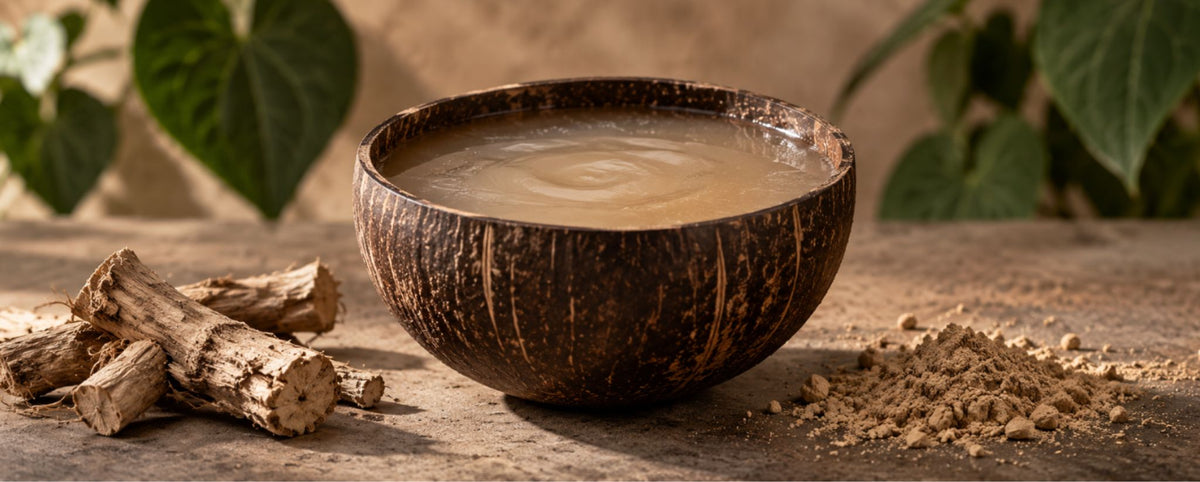
Traditional kava is prepared by kneading ground root powder inside a cloth strainer submerged in cool or room-temperature water. This process extracts the milky resins into an opaque, grayish-brown liquid. A traditional kava drink taste is earthy, bitter, highly astringent, and noticeably peppery, delivering the classic tongue-numbing effect in its purest form.
Kava Powder (Micronized or Instant)
Instant kava powder is made by dehydrating freshly brewed liquid kava, while micronized kava is raw root ground into an ultra-fine dust that dissolves directly into liquid. Micronized options can taste somewhat grainy and chalky because you ingest the entire root fiber. Instant dehydrated powders produce a much smoother texture, though both retain the signature herbal bitterness and root aroma.
Kava Extracts and Tinctures
Liquid extracts, droppers, and pastes condense kavalactones into concentrated formulas. The kava extract taste is extremely potent, medicinal, and resinous. Because they are often formulated with alcohol or glycerin bases, they pack an intense peppery kick that quickly numbs the mouth even in small drops.
Ready-to-Drink Kava Products
Canned and bottled kava drinks are designed for modern retail shelves. These beverages blend kava extracts with fruit juices, sparkling water, plant botanicals, or natural sweeteners like monk fruit and stevia. While you can still detect a light earthy undertone and a mild tingle, these drinks taste far lighter and much more approachable than traditional brews.
Can You Make Kava Taste Better?
 If you want the benefits of traditional root tea without the sharp bite, you can improve kava taste using a few practical adjustments.
-
Mix with Creamy Liquids: Kavalactones bind well to fats. Replacing a portion of your water with coconut milk, almond milk, or oat milk helps round out the harsh edges and gives the drink a silkier, milder texture.
-
Use Natural Flavor Additions: A splash of pineapple juice, fresh ginger, honey, cinnamon, or cocoa powder can mask the raw earthiness without ruining the drink's integrity.
-
Serve It Cold: Warm kava brings out maximum bitterness. Straining your kava with ice-cold water or chilling it in the refrigerator beforehand makes it much crisper and easier to drink quickly.
-
Keep a Chaser Nearby: In Pacific cultures, drinkers often follow a shell of kava with a fresh slice of fruit, such as pineapple, orange, or watermelon. A sweet fruit chaser immediately cleanses the palate.
-
Choose Noble Varieties: Different varieties have different flavor notes. Noble kava strains from Vanuatu, Fiji, or Tonga are prized for being smoother and far less harsh than non-noble varieties.
What Else Should You Know About Kava?
 Beyond its taste, kava is celebrated for its soothing properties. Traditionally, it is known to encourage mental relaxation, ease tension, and foster a peaceful, sociable state of mind without clouding cognitive function.
However, experiences vary from person to person. Factors like body chemistry, whether you have eaten recently, and the specific strain all play a role.
Keep safety in mind whenever you explore kava:
-
Never mix kava with alcohol, sedatives, or prescription medications.
-
Kava is metabolized by the liver, so individuals with pre-existing liver concerns should avoid it or consult a doctor.
-
Kava should never be treated as a medical substitute for professional mental health treatments or prescription anti-anxiety medications.
-
Moderation is key to avoiding sluggishness or physical fatigue the next morning.
Conclusion
Kava features an earthy, peppery, bitter, and astringent taste that leaves the tongue slightly numb. While initial impressions can be challenging, experimenting with creamy mixers, fruit chasers, noble strains, or ready-to-drink options can help you find a preparation you enjoy.
FAQs
Q1 Can kava taste good?
Yes, kava can taste pleasant, especially when blended with coconut milk, chai spices, or tropical fruit juices. Modern canned kava drinks are also flavored to hide the natural bitterness while preserving the experience.
Q2 Does kava get you stoned?
No. Kava does not produce a high or intoxicated feeling like cannabis. It does not alter your perception of reality; instead, it brings a calm, clear-headed state of physical and mental relaxation.
Q3 Is kava similar to Xanax?
While both can promote relaxation, kava is a natural plant root, whereas Xanax is a potent pharmaceutical benzodiazepine. Kava should never be used as a replacement for prescription medications.
Q4 Why does kava make your mouth feel numb?
The numbness is caused by active compounds called kavalactones. These natural resins interact directly with the sensory nerves on your tongue and lips, creating a mild, temporary local anesthetic effect.
Q5 What can you mix with kava to improve the taste?
Coconut milk, oat milk, mango nectar, fresh pineapple juice, ginger, honey, and cinnamon are excellent options. Creamy plant milks work best because their healthy fats soften kava's natural astringency.
Read more
Busy daily routines often push people to seek simple, plant-based ways to support their wellness. Between demanding work schedules, family commitments, and personal fitness goals, taking time to me...
Choosing the right botanical product often comes down to understanding how it is made and how it fits into your daily routine. In the herbal marketplace, kratom powder and kratom extract stand out ...
