


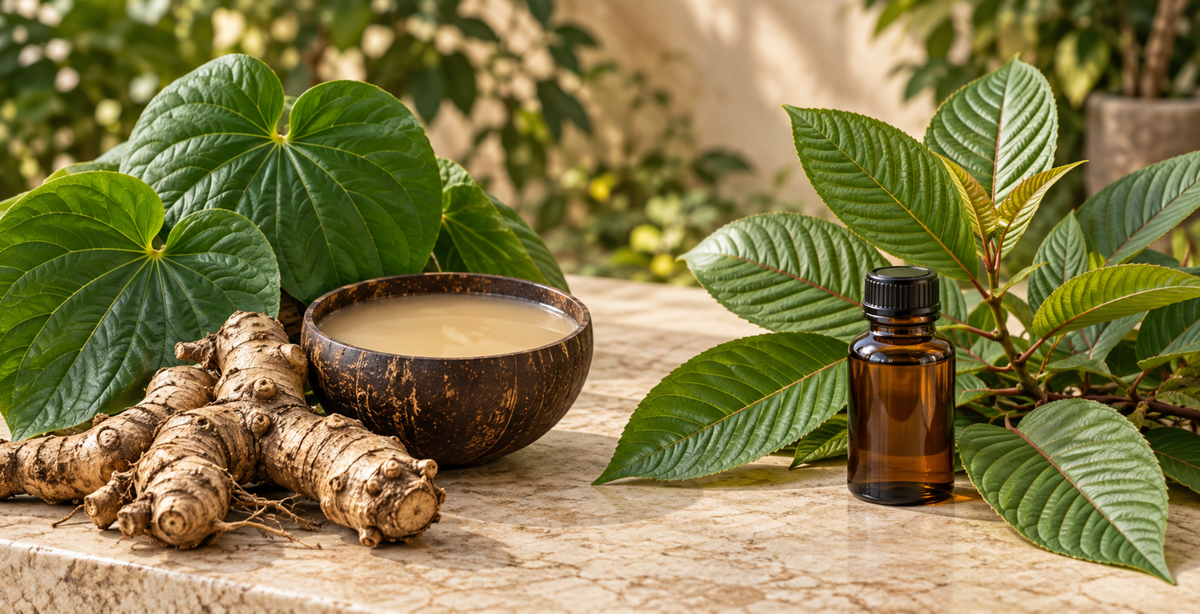
How Long Does Kava Stay in Your System?
If you enjoy a shell of traditional kava to unwind after a stressful day, you might wonder what happens once the calm feeling fades. While the relaxing physical sensations may only linger for a few hours, the active compounds in kava take considerably longer to leave your body completely.
Understanding the clearance timeline of kava is important for planning your daily routine, avoiding negative medication interactions, and staying safe behind the wheel. Here is a clear, research-backed breakdown of how your body processes kava, the factors that influence its breakdown, and the safety measures you need to know.
How Long Does Kava Stay in Your System?
 When you drink kava, its active compounds, known as kavalactones, interact with receptors in your central nervous system to induce calmness and muscle relaxation. The noticeable soothing effects typically kick in within 20 to 30 minutes and last between 2 and 6 hours. However, your body continues to metabolize and clear kavalactones long after the calming sensation has completely disappeared.
Scientific research shows that kava contains six major kavalactones: kavain, dihydrokavain, methysticin, dihydromethysticin, yangonin, and desmethoxyyangonin. Each of these compounds behaves differently during digestion and elimination:
-
Absorption and Distribution: Kavalactones are fat-soluble molecules. They absorb relatively quickly through the gastrointestinal tract and distribute widely into fatty tissues and the brain.
-
Elimination Half-Life: The half-life of a substance is the time it takes for your body to eliminate half of the original dose. Studies indicate that kavalactones have an elimination half-life ranging roughly from 4 hours up to 9 hours, with some heavier compounds lingering even longer. Because it generally takes 4 to 5 half-lives for a substance to clear the system, kavalactones typically remain in your body for anywhere from 20 hours to over 2 days.
-
No Fixed Timeline: There is no single universal clock for kava clearance. How quickly your liver breaks down these compounds varies widely depending on your health profile, personal metabolism, and the specific strain you consumed.
What Factors Affect How Long Kava Stays in Your Body?
 Because kava interacts with fat stores and liver enzymes, several lifestyle and physiological variables dictate how fast it clears your system.
-
Dosage and Serving Size: A single light shell of kava contains fewer kavalactones for your liver to filter. In contrast, drinking multiple servings or taking concentrated extract capsules floods your system with higher concentrations, significantly extending total elimination time.
-
Frequency of Consumption: Occasional drinkers process kava relatively quickly. For regular or daily consumers, fat-soluble kavalactones can gradually build up in bodily tissues, meaning complete clearance may take multiple days after the last sip.
-
Product Strength and Chemotype: Different kava cultivars have unique chemical profiles, known as chemotypes. Strains high in kavain produce quick, uplifting effects that clear relatively fast. Strains high in dihydromethysticin or methysticin, often found in heavy or "tudei" varieties, produce longer-lasting, sedating effects that linger in your body for an extended period.
-
Traditional Brews vs. Commercial Extracts: Traditional prep involves kneading dried root powder in water, releasing balanced kavalactones alongside dietary fibers. Micronized powders, tinctures, and solvent-extracted pills deliver concentrated doses without the natural balance of raw root, which can alter digestion and metabolic speed.
-
Body Composition, Age, and Hydration: Because kavalactones dissolve in fats, individuals with higher body fat percentages may store compounds longer. Age and natural metabolic rate also play a significant role, as liver blood flow and overall clearance efficiency naturally slow down over time.
What Are the Side Effects and Safety Concerns of Kava?
 While kava has been consumed ceremonially in the South Pacific for centuries, improper use, low-quality products, or combining it with other substances can pose real health risks.
-
Common Short-Term Side Effects: Consuming too much kava or drinking it on an empty stomach can trigger nausea, digestive upset, dizziness, unsteady coordination, and extreme daytime drowsiness. High doses can also cause temporary pupil dilation and visual disturbances.
-
Skin Changes (Kava Dermopathy): Chronic, heavy kava use can lead to a reversible condition called kava dermopathy, characterized by dry, scaly, yellowing skin and bloodshot eyes. This resolves once consumption stops.
-
Dangerous Substance Interactions: Never mix kava with alcohol, prescription sedatives, sleeping pills, or anti-anxiety medications such as benzodiazepines. Kava intensifies the central nervous system depression caused by these substances, which can lead to severe lethargy, slowed breathing, or excessive liver strain. It can also interact with medications metabolized by the liver, including acetaminophen and certain antidepressants.
-
Safe Use and Medical Guidance: Stick strictly to verified noble kava root powder from reputable vendors. Avoid daily, excessive use, drink plenty of water to offset dehydration, and never consume kava if you are pregnant, nursing, or living with liver disease. Always consult your doctor before using kava if you take regular prescription medications.
How Can You Tell When Kava Has Worn Off?
 Knowing when kava is no longer actively affecting your cognitive and motor functions is vital for day-to-day safety.
-
Fading Physical Sensations: The initial numbness or tingling on your tongue, lips, and throat is the first sign of kava, and its disappearance is an early indicator that active uptake has peaked. As the drink wears off, muscle heaviness lifts, reaction times sharpen, and mental fog clears.
-
Feeling Normal vs. Complete Clearance: Just because you feel fully alert does not mean kavalactones have vanished from your body. Sub-perceptual amounts continue circulating through your bloodstream and liver cells for up to 48 hours. Taking medications or drinking alcohol the morning after drinking kava can still lead to unexpected interactions.
-
Safety Behind the Wheel: Kava affects motor skills, depth perception, and reaction speeds similarly to mild alcohol consumption. Never drive, operate heavy machinery, or engage in high-risk physical activities while experiencing the calming or drowsy effects of kava. Wait until you feel clear-headed and fully coordinated.
There is a distinct difference between how long kava makes you feel relaxed and how long its active molecules stay inside your body. While the soothing mental effects usually taper off within 2 to 6 hours, fat-soluble kavalactones remain in your system for roughly 20 to 48 hours depending on your metabolism, dosage, and frequency of use. Staying hydrated, choosing high-quality noble root, and respecting the clearance timeline will help you enjoy the relaxing benefits of kava safely and responsibly.
Frequently Asked Questions
Q1 How long do the effects of kava last?
The active effects of kava typically last between 2 and 6 hours. The peak relaxation and mood elevation usually occur within the first 1 to 2 hours after drinking, followed by a gradual return to your baseline state.
Q2 Does kava stay in your system overnight?
Yes. Because kavalactones have an elimination half-life ranging from 4 to 9 hours, active compounds will still be processing in your liver and circulating in your bloodstream the morning after consumption.
Q3 Can kava make you feel tired the next day?
Yes. Heavy doses, stronger cultivars, or drinking kava late at night can cause a mild hangover effect characterized by grogginess, lethargy, dry mouth, or fatigue the following morning.
Q4 Does kava show up on a urine drug test?
Standard workplace drug panels do not test for kava or kavalactones. In very rare cases, low-grade herbal products or certain kava compounds have been reported to cause false positives for substances like MDMA or opiates on rapid screen tests, but confirmatory lab testing readily clears kava as a non-illicit botanical.
Q5 How long does it take for kava to leave your body?
For an occasional consumer drinking a moderate dose, kava is generally cleared from the body within 24 to 48 hours. For chronic or heavy users, complete elimination from fat stores and liver pathways can take several days.
Read more

Kava is a traditional South Pacific drink known for its calming effects and is often used to unwind after a busy day. It comes in several forms, including tea, instant powder, and capsules, each wi...
Kratom has gained attention among people interested in natural botanicals, particularly for its reported effects on energy, comfort, and focus. Personal accounts often describe different experience...
