


Is Kratom Addictive? Understanding Dependence, Effects, and Risks
What Is Kratom and Why Do People Use It?

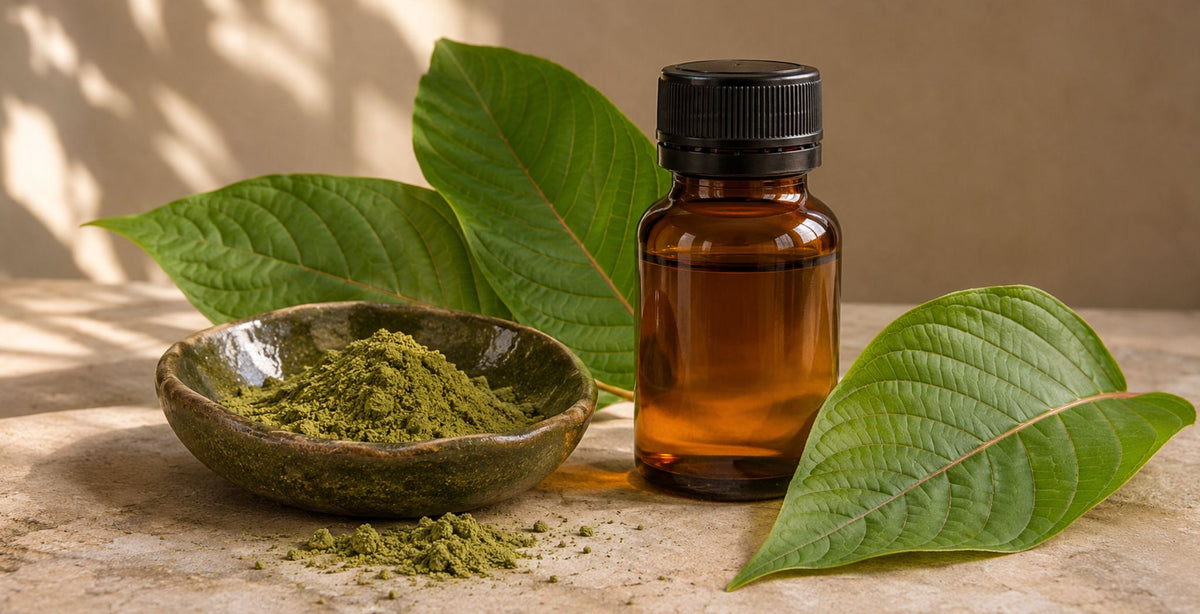
Kratom is a herbal substance derived from the leaves of Mitragyna speciosa, a tropical tree native to Southeast Asia. Local workers chewed the raw leaves to fight fatigue, boost endurance during long work hours, and soothe everyday aches. In recent years, kratom has surged in global popularity. Today, it is sold online, in smoke shops, and in specialty convenience stores in the form of raw dried powders, capsules, brewed teas, concentrated liquid shots, and gummy extracts.
Although kratom is botanically distinct from true opiates like morphine or codeine, its alkaloids stimulate the exact same receptor sites that govern pain relief, relaxation, emotional mood elevation, and physical reward. At smaller amounts,kratom acts predominantly as a mild stimulant, increasing alertness and physical energy.
To fully understand whether kratom is addictive, it is helpful to clarify three key stages: occasional use, physical dependence, and addiction:
-
Occasional use involves infrequent, low-dose consumption without any noticeable daily urge, reliance, or functional disruption.
-
Dependence occurs when the body's nervous system adapts to regular chemical exposure. Over time, the brain requires the substance just to maintain baseline comfort, resulting in unpleasant physiological withdrawal symptoms if consumption suddenly slows down or stops.
-
Addiction is a more complex behavioral condition. It involves persistent psychological cravings, an uncontrollable urge to seek out the substance, and continued consumption despite clear adverse consequences to personal health,financial stability, or social obligations.
While not everyone who experiments with kratom develops an uncontrollable habit, regular and unmonitored use can easily create a difficult cycle of dependence and compulsive consumption.
How Does Kratom Dependence Develop?

Physical dependence on kratom is not an instantaneous event. Instead, it develops gradually as the brain rewires its chemistry in response to steady alkaloid exposure.
Here is how kratom dependence typically takes hold over time:
-
Frequent and repeated receptor stimulation: When a person consumes kratom on a daily or multiple-times-per-day basis, the brain's opioid receptors remain constantly saturated. In response, the nervous system downregulates its internal sensitivity to adjust to the chemical presence, slowly adapting its baseline operations to function around the supplement.
-
The onset of physiological tolerance: As the body grows accustomed to regular alkaloid intake, tolerance develops naturally. The starting dose that once produced noticeable relief or energetic focus no longer delivers the same outcome. To recreate those original effects, an individual feels compelled to steadily increase the frequency,quantity, or overall potency of their doses.
-
Impact of product potency and extract concentrations: Mild, crushed-leaf teas generally carry modest alkaloid levels. Conversely, modern manufactured liquid extracts, ultra-potent tinctures, and enhanced resins contain heavily concentrated alkaloids. Using high-potency extracts accelerates tolerance significantly faster than traditional raw leaf powder, pushing the body toward dependence much sooner.
What Are the Signs and Symptoms of Kratom Addiction?

Recognizing the shift from casual consumption to active addiction can be challenging, particularly because kratom is widely available and often perceived as a benign botanical product.
Common behavioral and physical signs indicating that kratom use has crossed into an addictive pattern include:
-
Difficulty controlling intake: Consuming larger quantities or dosing far more frequently than originally planned,alongside repeated, unsuccessful attempts to cut back, taper down, or quit entirely.
-
Persistent use despite noticeable harm: Continuing to consume the substance even when it actively contributes to deteriorating physical health, financial stress, constant lethargy, or strained relationships.
-
Obsessive time and mental focus: Spending excessive mental energy planning when to buy, prepare, and ingest the next dose, as well as spending significant portions of the day recovering from its intoxicating or fatiguing aftermath.
-
Physical side effects and bodily distress: Frequent bouts of nausea, persistent and severe constipation, dizziness,blurred vision, tremors, excessive itching, loss of appetite, and unexplained daytime drowsiness.
-
Neglect of primary responsibilities: Skipping workplace commitments, missing family gatherings, falling behind on academic coursework, and giving up previously enjoyed personal hobbies in favor of dosing.
-
Isolation and secretive behaviors: Hiding stashes of powders, concealing empty extract bottles from loved ones,lying about the amounts being purchased, and withdrawing socially to consume kratom alone.
What Are the Symptoms of Kratom Withdrawal?

The most commonly documented withdrawal symptoms include:
-
Severe muscle aches and bodily pains: Deep joint stiffness, muscle soreness, twitching, and uncomfortable sensations in the limbs that closely resemble classic opioid withdrawal.
-
Restless legs syndrome: An uncontrollable, distressing urge to constantly move the legs and arms, which tends to spike dramatically in the evening hours.
-
Intense sleep disruptions and fatigue: Trouble falling asleep, frequent nighttime awakenings, night sweats,daytime exhaustion, and persistent insomnia that can linger for days.
-
Emotional agitation and mood volatility: Sudden waves of severe anxiety, heightened irritability, panic symptoms, restlessness, and deep depressive episodes.
-
Digestive and flu-like complaints: Profuse sweating, constant runny nose, watery eyes, hot and cold chills,abdominal cramping, frequent nausea, and bouts of loose stools or diarrhea.
-
Variability based on individual history: The intensity and overall duration of withdrawal vary widely. Individuals using modest amounts of dried leaf might face mild, flu-like symptoms for three to five days. In contrast, those consuming high-strength extracts multiple times daily may endure severe, protracted symptoms lasting two weeks or more.
-
The value of medical supervision: Quitting abruptly without a structured plan can be physically painful and emotionally exhausting, frequently triggering quick relapses. Working with a qualified medical provider allows for a safe, gradual tapering schedule and provides targeted supportive therapies to manage discomfort effectively.
What Are the Long-Term Risks of Kratom Use?

While short-term consumption may seem manageable to some users, prolonged, heavy, or frequent kratom use carries several serious physical and mental health risks that should not be overlooked.
Long-term concerns associated with extended kratom consumption include:
-
Chronic gastrointestinal complications: Because kratom slows bowel motility in the same manner as other opioid-receptor stimulants, long-term consumers frequently suffer from chronic, painful constipation, stomach ulcers, and intestinal blockages.
-
Unintentional weight loss and malnutrition: Heavy regular use often suppresses normal appetite, leading to significant nutrient deficiencies, muscle wasting, and unhealthy drops in overall body weight.
-
Potential for liver and kidney toxicity: Clinical case reports have identified instances of kratom-induced hepatotoxicity, marked by dark urine, yellowing of the eyes and skin, abdominal tenderness, and elevated liver enzymes that require immediate medical intervention.
-
Cognitive and emotional instability: Prolonged consumption can lead to regular brain fog, impaired memory,blunted emotional affect, apathy, and worsening baseline anxiety or clinical depression.
-
Elevated danger when combined with other substances: Mixing kratom with central nervous system depressants such as alcohol, prescription benzodiazepines, muscle relaxers, or pharmaceutical opioids drastically increases the danger of respiratory depression, extreme sedation, accidental overdose, and death.
-
Lack of product standardization and risk of contaminants: Because kratom is largely unregulated in many regions, commercially sold powders and liquids vary widely in alkaloid strength. Furthermore, independent lab tests have repeatedly uncovered unlisted synthetic adulterants, elevated salmonella bacteria, and dangerous levels of toxic heavy metals, including lead and nickel.
Understanding these medical realities helps individuals make informed decisions, identify developing warning signs early,and seek compassionate professional care when needed.
Conclusion
Kratom may be natural, but regular use can lead to dependence, withdrawal, and addiction. Recognising the signs of kratom addiction can help you seek support early. If you are struggling to quit or experiencing withdrawal symptoms, consult a healthcare professional for personalised guidance and recovery support.
Frequently Asked Questions
Q1 Can you get addicted to kratom if you only use it occasionally?
Occasional, low dose use carries a lower risk. Dependence usually develops with daily or near daily use, higher doses or concentrated extracts.
Q2 What are the first signs of kratom dependence?
Needing larger doses for the same effect, feeling unwell or irritable when a dose is missed and finding it hard to go a day without kratom.
Q3 How long does kratom withdrawal last?
Symptoms usually start within 12 to 48 hours and often ease within about a week for lighter users. Heavy extract users may have symptoms for two weeks or more.
Q4 Is kratom safer than opioids?
Kratom is generally considered less likely to cause fatal breathing problems on its own, but it still carries risks of dependence, withdrawal, liver injury and contamination. The danger rises sharply when it is combined with other depressants.
Q5 Is 7-OH the same as kratom?
No. 7-OH occurs naturally in only trace amounts in kratom leaf. Enhanced 7-OH products are concentrated or semi-synthetic, far more potent and are the focus of recent DEA action.
Read more
Understanding this price gap requires a look under the hood. Kratom shots differ in how they are formulated, extracted, and packaged. A small bottle might cost more because it holds a high concentr...
What Is Kratom and How Does It Work? Kratom (Mitragyna speciosa) is a tropical evergreen tree in the coffee family, native to Southeast Asia, including Thailand, Malaysia, and Indonesia. In parts o...
