How to Use Kratom: A Complete Guide to Forms, Effects, and Safety
What Is Kratom and How Does It Work?
Kratom (Mitragyna speciosa) is a tropical evergreen tree in the coffee family, native to Southeast Asia, including Thailand, Malaysia, and Indonesia. In parts of the region, its leaves have traditionally been chewed or brewed into tea by farmers and laborers.
The Active Compounds in Kratom
Kratom leaves contain dozens of naturally occurring compounds called alkaloids. The two most studied are:
- Mitragynine: the most abundant alkaloid in the leaf
- 7-hydroxymitragynine (7-OH): present in much smaller amounts, but considered more potent
How Kratom May Affect the Body and Brain
Research suggests these alkaloids interact with several receptor systems in the brain, including opioid receptors as well as adrenergic and serotonin receptors. This is one reason kratom is described as having both stimulant-like and sedative-like qualities. Scientists are still studying exactly how these compounds work, and much of the available research comes from surveys, lab studies, and animal research rather than large clinical trials. You can explore more of the science in our Research Library.
Why Effects Vary From Person to Person
No two experiences with kratom are guaranteed to be the same. Effects can vary based on:
- The form and concentration of the product
- The alkaloid content, which can differ between batches and sources
- Body weight, metabolism, and overall health
- Other medications or substances a person is taking
- How often someone uses kratom
What Are the Different Forms of Kratom?
Understanding how to use kratom responsibly begins with knowing what you are actually buying. Each form differs in convenience, concentration, and labeling.
Kratom Powder
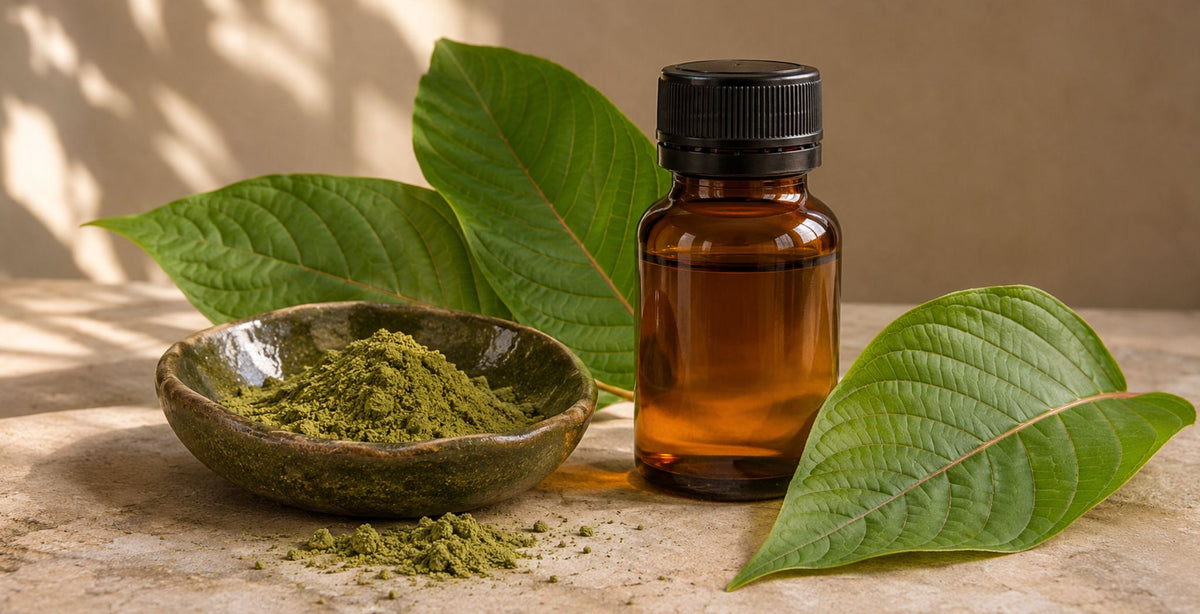
Powder is made from dried, ground kratom leaves and is the most traditional and widely sold form. It is usually sold by weight in pouches or bags. Powder has a bitter, earthy taste, and because it is loose, measuring it consistently can be difficult.
Kratom Capsules
Capsules contain kratom powder sealed in pre-measured shells. Many people prefer them because they avoid the bitter taste and make each serving easier to track. However, the alkaloid content still depends on the quality of the powder inside.
Kratom Extracts
Extracts are made by processing kratom leaves to concentrate certain alkaloids. They can be far stronger than plain leaf powder, which means a small amount may contain much more of the active compounds. Some products, especially those built around concentrated 7-OH, have drawn particular concern from health regulators.
Kratom Shots and Liquids
Liquid products include shots, tinctures, and liquid extracts. They come in small, ready-to-use bottles and are often chosen for convenience. Liquids may contain added ingredients such as flavorings, sweeteners, or other botanicals, so reading the full label is especially important.
If you are comparing liquid options, our guide on how much kratom shots cost explains how pricing relates to product type, and our breakdown of Onyx Liquid shows the kind of formula details worth looking for. You can also browse our full range of liquid botanical products.
Key Differences at a Glance
| Form | What It Is | Concentration | What to Check on the Label |
|---|---|---|---|
| Powder | Ground dried leaf | Usually the lowest, varies by source | Weight, origin, lab testing |
| Capsules | Powder in pre-measured shells | Similar to powder | Amount per capsule, capsule count |
| Extracts | Processed concentrate | Higher, sometimes much higher | Alkaloid content, extraction details |
| Shots and liquids | Ready-to-use liquid formats | Varies widely | Serving size, full ingredient list, alkaloid content |
What Are the Reported Effects of Kratom?
People who use kratom describe a range of effects. The most commonly reported include:
- Increased energy and alertness
- Improved mood or sociability
- A sense of relaxation or calm
- Relief from physical discomfort
Many users report that effects feel more stimulating with smaller amounts and more sedating with larger amounts, though this differs widely between individuals and products.
The Role of Kratom's Active Compounds
Mitragynine and 7-hydroxymitragynine are believed to drive most of kratom's reported effects. Because products differ in how much of each alkaloid they contain, two products with the same label weight or volume can feel very different.
Reported Effects Are Not Proven Benefits
It is important to separate personal reports from medical evidence. The U.S. Food and Drug Administration (FDA) has not approved kratom for any medical use, and reported effects do not establish that kratom is safe or effective for treating any condition. Be cautious of any product that promises to cure, treat, or prevent a health problem.
What Are the Risks and Safety Considerations?
Any honest guide on how to use kratom has to cover the risks clearly. Our Safety & Responsible Use page goes into more detail, but here are the key points.
Possible Side Effects
Reported side effects include:
- Nausea and vomiting
- Constipation
- Dizziness
- Drowsiness
- Dry mouth
- Loss of appetite
Higher amounts and more concentrated products may raise the risk of more serious effects, such as a rapid heart rate, high blood pressure, confusion, or seizures.
Dependence and Withdrawal
Regular, frequent use of kratom can lead to dependence. People who stop suddenly after long-term use have reported withdrawal symptoms such as irritability, muscle aches, trouble sleeping, a runny nose, and mood changes. To understand this in more depth, read our guide: Is Kratom Addictive? Understanding Dependence, Effects, and Risks.
Medication Interactions and Combining Substances
Kratom may affect how the body processes certain medications, because its compounds can interact with the liver enzymes that break down many drugs. Combining kratom with alcohol, opioids, benzodiazepines, or other sedating substances is especially risky and has been linked to serious harm, including deaths.
Product Quality, Contamination, and Labeling
Because kratom is not regulated like a medication, product quality can vary widely. Past FDA testing has found some kratom products contaminated with bacteria such as Salmonella or with heavy metals. Unclear or inaccurate labels can also make it hard to know how strong a product really is.
Talk to a Healthcare Professional First
Before considering kratom, speak with a qualified doctor or pharmacist, especially if you take any medications, have a heart, liver, or mental health condition, or are pregnant or breastfeeding. Kratom is not appropriate for anyone under 18.
How Can You Make Informed Decisions About Kratom Products?
If you are researching how to use kratom, the product you choose matters as much as the information you read. Here is what to look for.
Read Labels and Ingredient Lists Carefully
A trustworthy label should clearly show:
- The product name and form
- Serving size and number of servings
- The full list of ingredients, including any additives
- Manufacturer contact details and a batch or lot number
- Clear warnings and age restrictions
Check Concentration and Third-Party Testing
Look for products that state their alkaloid content and are tested by an independent lab. Third-party test results can help confirm a product's potency and screen for contaminants like heavy metals and microbes. Learn how we approach quality in Our Standards & Ethics.
Compare Forms Before You Choose
Powders, capsules, extracts, and liquids are not interchangeable. An extract or concentrated shot may contain far more alkaloids than the same amount of plain leaf powder. Always review the concentration rather than assuming every product works the same way.
Know Your Local Laws and Avoid Unclear Claims
Kratom's legal status differs between countries, U.S. states, and even cities, and the rules can change. Check the laws where you live before buying, and see our Legal & Regulatory Status page for an overview. Avoid any product that makes medical claims, hides its ingredients, or lacks testing information.
There Is No Universally Safe Way to Use Kratom
Because products, bodies, and circumstances differ so much, there is no single method or amount that is safe for everyone. The best approach is to stay informed, choose transparent products, and involve a healthcare professional in your decisions.
Conclusion
Learning how to use kratom really means understanding it fully: its different product forms, the effects people report, and the real risks involved. Powders, capsules, extracts, and liquids each differ in strength and labeling, and none of them is risk free. By reading labels closely, choosing tested products, knowing your local laws, and speaking with a healthcare professional, you can make more informed decisions. For more guides like this one, visit the Boosted Botanix blog.
Frequently Asked Questions
What is the most common form of kratom?
Powder made from dried, ground leaves is the most common and traditional form. Capsules, extracts, and liquid shots are also widely sold.
How does kratom affect the body?
Kratom's main alkaloids, mitragynine and 7-hydroxymitragynine, interact with receptors in the brain, including opioid receptors. This may produce stimulant-like or sedative-like effects, which vary between people and products.
Are kratom capsules different from kratom powder?
Capsules usually contain the same powder, sealed in pre-measured shells. The main differences are convenience, taste, and how easily each serving can be tracked.
What are the possible side effects of kratom?
Commonly reported side effects include nausea, constipation, dizziness, drowsiness, and dry mouth. More serious effects can occur with high amounts, concentrated products, or when kratom is mixed with other substances.
Can kratom cause dependence or withdrawal?
Yes. Frequent, long-term use can lead to dependence, and stopping suddenly may cause withdrawal symptoms such as irritability, muscle aches, and trouble sleeping.