


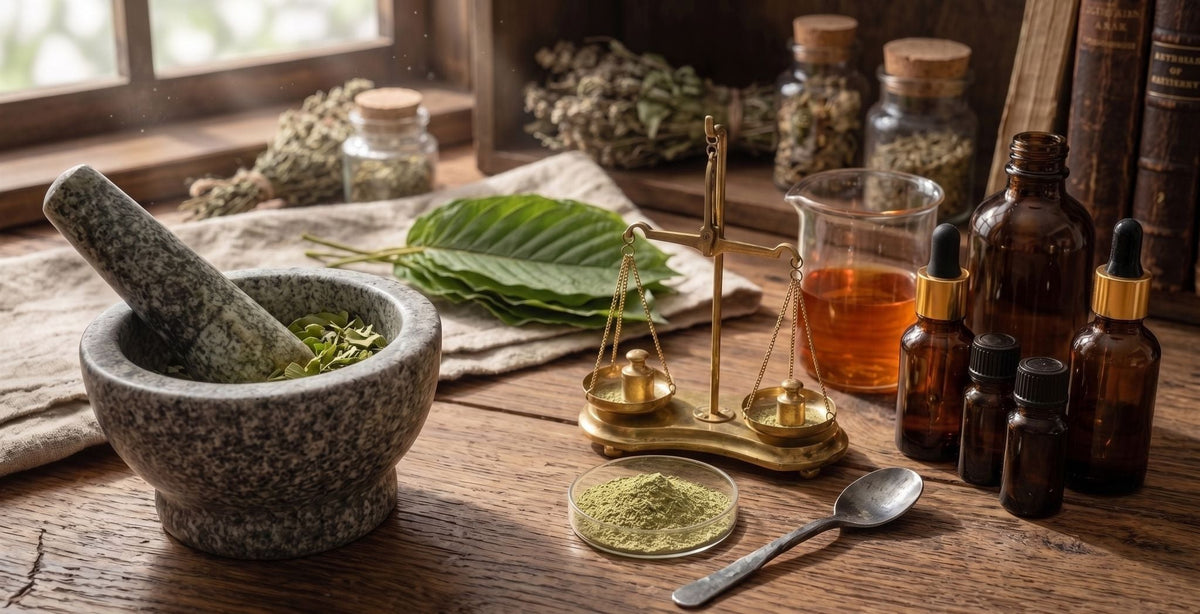
Lab Tested Kratom: Why Quality, Purity, and Transparency Matter
Lab tested kratom refers to botanical products derived from Mitragyna speciosa that have undergone analytical testing to evaluate their alkaloid content, chemical purity, and potential contaminants.
Because kratom is an agricultural product grown primarily in Southeast Asia, its composition can vary widely depending on soil quality, harvesting methods, and processing conditions.
This comprehensive guide covers how kratom is tested, why analytical screening is essential for consumer transparency, how to read a Certificate of Analysis (COA), and how to select products responsibly.
What Does Lab Tested Kratom Mean?
 Lab tested kratom is any kratom product submitted to an analytical laboratory to confirm its botanical identity, quantify active compounds, and check for undesirable substances.
Comprehensive kratom quality testing typically evaluates several distinct categories:
-
Alkaloid concentrations: Measuring primary active compounds such as mitragynine and 7-hydroxymitragynine.
-
Heavy metals: Screening for toxic metals absorbed from soil or groundwater.
-
Microbial contamination: Testing for harmful pathogens like bacteria, yeast, and mold.
-
Pesticide residues: Checking for chemical residues left behind from agricultural cultivation.
-
Residual solvents: Ensuring that concentrated extracts are free from leftover extraction chemicals.
-
Adulterants: Verifying that the product contains no undeclared synthetic compounds, pharmaceuticals, or foreign botanical materials.
Independent third-party testing involves sending samples to an accredited, external analytical laboratory that has no financial stake in the sale of the product. Third-party testing provides greater objectivity, reliable methodologies, and unbiased reporting.
Why Quality and Purity Testing Matters
 Kratom leaves travel through extensive supply chains before reaching store shelves. During cultivation, harvesting, outdoor drying, milling, overseas shipping, and final packaging, the raw material can be exposed to environmental and biological contaminants.
Routine kratom purity testing helps the industry by:
-
Confirming the product's true botanical identity.
-
Measuring alkaloid consistency across different harvest seasons.
-
Detecting harmful microorganisms before products reach consumers.
-
Identifying heavy metals and environmental toxins.
-
Supporting honest, accurate product labeling.
-
Ensuring batch-to-batch consistency.
Common Contaminants Screened in Kratom
-
Microbial Pathogens: Raw agricultural materials dried in open-air settings are vulnerable to Salmonella, Escherichia coli (E. coli), molds, and yeasts. These pathogens can cause gastrointestinal distress and foodborne illnesses.
-
Heavy Metals: Kratom naturally absorbs minerals from volcanic soil. Analytical labs screen for toxic heavy metals including lead, arsenic, cadmium, and mercury.
-
Agricultural Residues: Unregulated farming practices can leave behind synthetic pesticides and fertilizers.
-
Residual Extraction Solvents: Liquid extracts and concentrated isolates must be screened to confirm that solvents such as ethanol, butane, or hexane are fully purged.
Analytical lab results reflect only the specific sample and batch that was submitted for testing. A clean report on one batch does not automatically guarantee the purity of a different harvest.
How Is Kratom Tested?
 Laboratories use advanced analytical equipment and standardized methodologies to evaluate botanical samples. The testing workflow varies depending on whether the product is a raw crushed-leaf powder, capsule, or concentrated liquid extract.
Primary Laboratory Methods Used for Kratom
-
High-Performance Liquid Chromatography (HPLC): The industry standard for separating, identifying, and quantifying primary alkaloids such as mitragynine and 7-hydroxymitragynine.
-
Liquid Chromatography-Mass Spectrometry (LC-MS): Combines physical separation with mass analysis to identify trace-level chemical compounds and detect synthetic adulterants.
-
Gas Chromatography-Mass Spectrometry (GC-MS): Evaluates volatile organic compounds, synthetic additives, and residual extraction solvents.
-
Inductively Coupled Plasma Mass Spectrometry (ICP-MS): Detects trace levels of heavy metals (lead, arsenic, cadmium, mercury) down to parts-per-billion (ppb).
-
Microbial Plating and PCR Screening: Evaluates colony-forming units (CFUs) of aerobic bacteria, coliforms, yeast, and mold, using Polymerase Chain Reaction (PCR) tests to spot rapid bacterial DNA like Salmonella.
-
Pesticide Screening Panels: Tests for dozens of standard organophosphates, carbamates, and synthetic pyrethroids.
How to Choose Lab Tested Kratom Responsibly
 Navigating the marketplace requires attention to detail. Use this checklist to select lab tested kratom products:
-
Look for recent, batch-specific laboratory reports available directly on the manufacturer's website or via a scannable QR code on the packaging.
-
Choose products verified by accredited, independent third-party laboratories.
-
Match the physical product batch number with the corresponding COA.
-
Review alkaloid concentrations and ensure all contaminant panels show passing results.
-
Check the full ingredient list for artificial fillers, synthetic additives, or flow agents.
-
Verify that the manufacturer provides clear serving sizes and safety precautions on the label.
-
Avoid vendors making unsubstantiated health claims, treatment promises, or medical guarantees.
-
Review the vendor's physical contact info, return policies, and Good Manufacturing Practice (GMP) compliance.
-
Check your local municipal and state regulations regarding legal age requirements and local sales restrictions.
-
Consult a qualified healthcare professional before use, especially if you take prescription medications or manage an underlying health condition.
Guidelines for Responsible Use
-
Always follow the instructions provided on the current product packaging.
-
Do not combine kratom with alcohol, prescription opioids, central nervous system sedatives, stimulants, or other botanical supplements.
-
Do not drive, operate heavy machinery, or engage in high-risk activities after use.
-
Store all products in their original, child-resistant containers out of reach of children and pets.
-
Understand that frequent or heavy botanical use can lead to tolerance, physical dependence, and potential withdrawal symptoms upon cessation.
Conclusion
Frequently Asked Questions
Q1 What does lab tested kratom mean?
Lab tested kratom refers to botanical Mitragyna speciosa products that have undergone analytical testing by a laboratory to quantify alkaloid content and verify that the material is free from unsafe levels of heavy metals, microbials, pesticides, and adulterants.
Q2 Why is third-party kratom testing important?
Third-party testing is important because it relies on an independent, accredited laboratory with no financial interest in the product. This ensures that test results for purity, potency, and safety are unbiased, accurate, and scientifically validated.
Q3 What contaminants is kratom tested for?
Kratom is typically tested for biological pathogens (Salmonella, E. coli, yeast, mold), heavy metals (lead, arsenic, cadmium, mercury), residual extraction solvents, synthetic adulterants, and agricultural chemical residues such as pesticides.
Q4 How can you read a kratom Certificate of Analysis?
To read a kratom COA, check that the batch number matches your product packaging. Review the test dates, confirm passing status on microbial and heavy metal panels, check that toxic elements are below detection limits, and verify the mitragynine percentage.
Q5 Does laboratory testing guarantee that kratom is safe?
No, laboratory testing does not guarantee complete safety. While testing confirms that a sample meets purity standards and is free from tested contaminants, it cannot predict individual biological responses, prevent misuse, or replace medical guidance.
Read more
Kratom shots are concentrated liquid products derived from the leaves of Mitragyna speciosa, a tropical evergreen tree native to Southeast Asia. Unlike traditional raw leaf options, these ready-to...
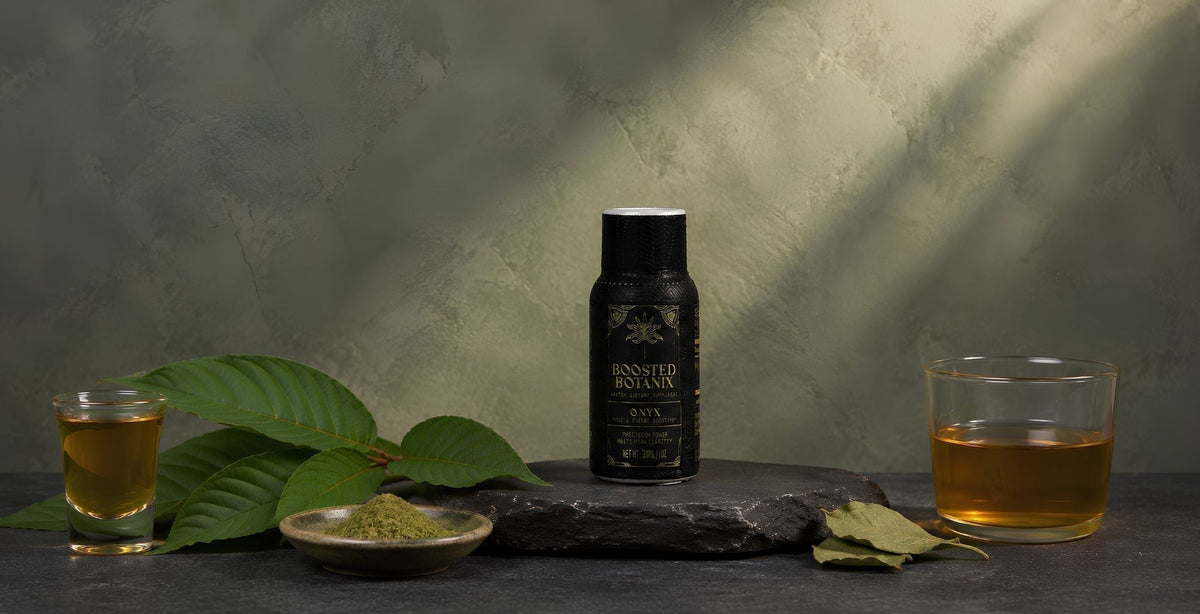
Finding reliable information on modern botanical extracts can sometimes feel overwhelming. Onyx Liquid by Boosted Botanix is a concentrated 30 ml liquid botanical supplement designed for adult cons...
