


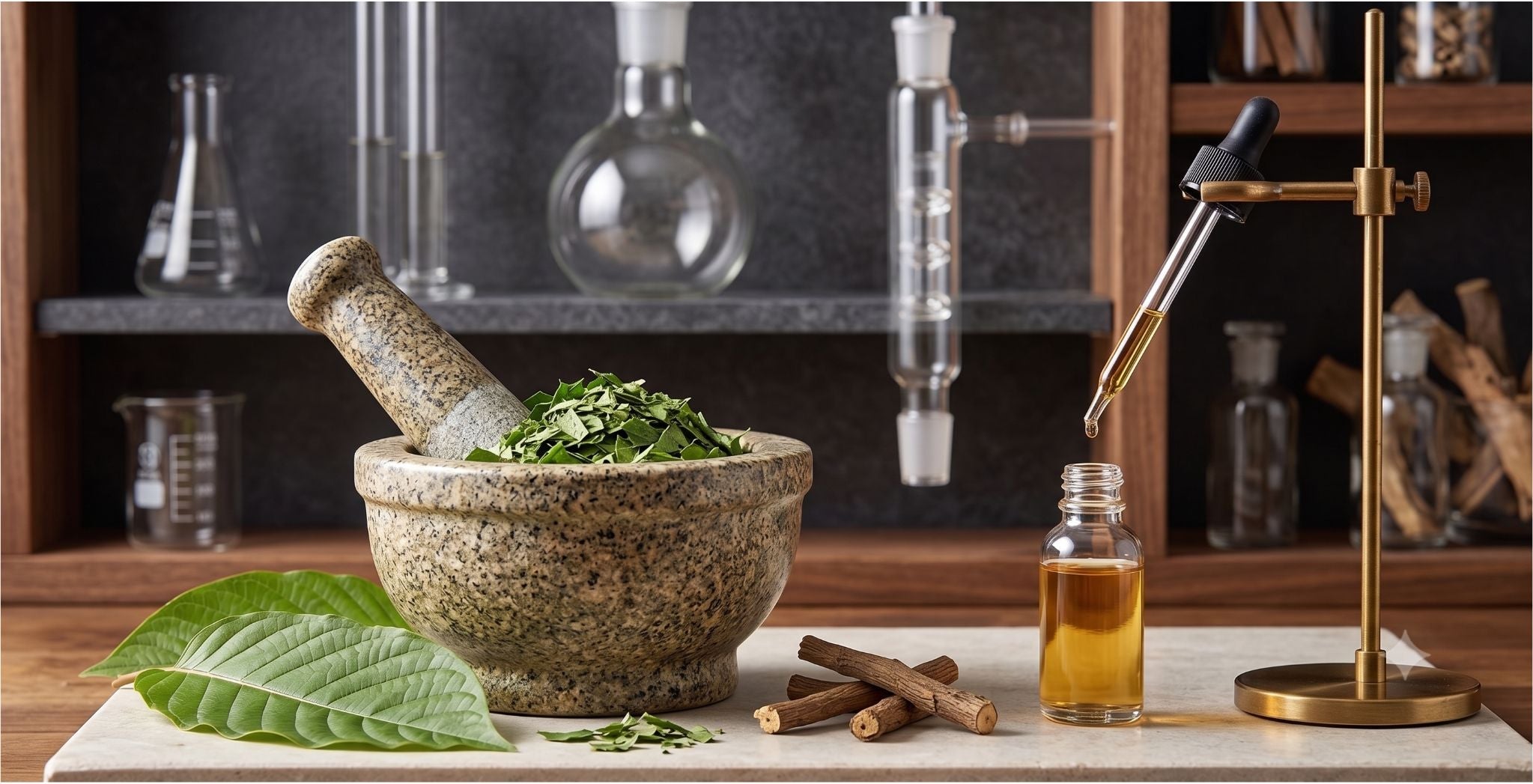
Understanding Kava Benefits: How It Works and What to Expect
Today, kava has transitioned from traditional village circles to modern wellness routines as a popular botanical supplement. People commonly explore kava for relaxation, a calm mood, and easygoing social experiences without the heavy fog associated with other evening beverages.
This guide provides a clear look at how kava works in the body, the potential benefits you might experience, what the physical sensation feels like, the available product formats, and the essential safety practices every beginner must know.
What Is Kava and How Does It Work?

To understand this traditional drink, you must start at the source. Kava comes directly from the roots and underground stems (rhizomes) of the Piper methysticum plant, a member of the nightshade and pepper family. In island traditions, these harvested roots are dried, ground, mixed with cold water, and strained to produce an earthy, cloudy beverage.
The Science Behind the Root
When you ask what is kava on a chemical level, the answer centers on active botanical compounds called kavalactones. These naturally occurring compounds are primarily responsible for the relaxing and mood-altering properties associated with the kava root.
Researchers are still exploring how does kava work within the central nervous system. Current scientific evidence suggests that kavalactones interact with specific neurotransmitter pathways in the brain, including gamma-aminobutyric acid (GABA) receptors.
GABA acts as a natural brake pedal for nervous system activity, helping to dampen excessive neural excitement. Unlike prescription tranquilizers, kavalactones appear to encourage calm without severely dulling cognitive clarity when consumed in moderation.
Factors Influencing Your Experience
Not every person responds to kava in the exact same manner. Several critical factors determine your individual experience:
-
Kavalactone concentration: Products vary significantly in their percentage and ratio of active chemotypes.
-
Product quality: Root-only preparations offer cleaner profiles compared to low-grade products containing aerial plant stems.
-
Preparation method: Traditional kneading in warm or cool water extracts compounds differently than modern chemical extraction methods.
-
Serving amount: The total volume of kava consumed directly dictates intensity.
-
Food intake: Taking kava on an empty stomach generally creates a quicker, more noticeable response than drinking it right after a large meal.
-
Individual metabolism: Unique enzyme pathways process botanical compounds at different speeds.
-
Previous kava use: Many individuals experience what enthusiasts call reverse tolerance, meaning it may take several separate occasions for the body to become fully receptive to kava effects.
What Are the Potential Benefits of Kava?

The broad interest in this plant is driven by a wide range of wellness inquiries. While individual experiences always vary, exploring the potential benefits of kava reveals why it has remained a staple across generations.
Relaxation and Mood Support
The primary reason people consume kava for relaxation is its gentle calming profile. Many users report that drinking a serving helps slow down a racing mind, smooth out the edges of an intense afternoon, and foster a quiet sense of comfort. By encouraging physical and mental ease, kava helps users unwind naturally as evening approaches.
Easing Daily Stress and Tension
When investigating kava and stress, researchers have noted its ability to soothe everyday nervous tension. Some clinical research has evaluated kava extracts for managing mild, short-term anxiety symptoms. While early evidence points to promising calming properties, clinical data remains limited, and results across studies are mixed.
A Relaxed Social Alternative
In social settings, kava is sometimes used as an alcohol-free option that may support relaxation and conversation. LUMEN is a liquid supplement containing kava and kratom extracts, intended for responsible adult use. Its effects and risks differ from alcohol, so serving guidance and local regulations should be considered.
What Does Kava Feel Like and What Should You Expect?

If you are new to the plant, you may wonder what does kava feel like during a standard serving. The experience is often described as subtle yet distinct, affecting both mental presence and physical sensation.
Common Sensations
-
Mouth and Tongue Numbness: Within seconds of sipping kava, you will likely notice a mild, temporary tingling or numbing sensation across your tongue and lips. This is completely harmless and serves as a classic indicator that active kavalactones are present.
-
Physical Ease: A pleasant loosening sensation often spreads through the shoulders, neck, and back as muscle tension dissipates.
-
Mental Clarity with Calm: Unlike heavy sedatives, a proper serving of noble kava typically leaves your mind clear, quiet, and reflective.
-
Sociability: Users often find themselves listening more intently and speaking more openly in casual social settings.
-
Drowsiness at Higher Intakes: If taken in higher quantities or late in the evening, kava can cause noticeable drowsiness and reduced reaction speed.
Kava Safety and Responsible Use
 While kava offers remarkable traditional value, natural botanicals are never free of risk. Understanding kava safety is vital before introducing it to your wellness routine.
Potential Side Effects and Health Risks
Mild kava side effects can include stomach upset, nausea, headache, dizziness, or morning grogginess if taken excessively. Long-term, heavy consumption has also been linked to a dry, scaly skin condition known as kani kani, which resolves when use stops.
More seriously, rare cases of liver injury and hepatotoxicity have historically been reported in connection with certain kava products.
Many researchers attribute these issues to poor-quality extracts prepared using organic solvents on low-grade stems and non-noble plants rather than pure noble root material. Nevertheless, anyone with existing liver concerns or hepatitis must exercise extreme caution.
Essential Rules for Responsible Use
-
Follow packaging instructions: Always stick to the recommended serving sizes provided by ethical manufacturers.
-
Never mix with alcohol: Combining kava and alcohol places unnecessary stress on the liver and amplifies sedative effects to dangerous levels.
-
Check drug interactions: Kava can interact with prescription sedatives, anti-anxiety medications, antidepressants, and drugs processed by liver cytochrome P450 enzymes.
-
Avoid driving: Never drive a motor vehicle or operate heavy machinery while under the influence of kava.
-
Protect vulnerable groups: Kava should not be used by pregnant or breastfeeding individuals, nor should it ever be given to children.
-
Consult your doctor: Speak with a licensed healthcare provider before using kava if you have existing health conditions or take daily medications. Discontinue use immediately if you notice yellowing of the skin or eyes, severe fatigue, or dark urine.
Conclusion
Kava can be a natural way to relax and unwind when used responsibly. Always choose high-quality, lab-tested products and consume them in moderation for a safer experience.
Frequently Asked Questions
Q1 What does kava do to your body?
Kava delivers active compounds called kavalactones that interact with neurotransmitter systems in the brain. This activity helps ease physical muscle tension, encourage mental relaxation, and support a calm, peaceful state of mind without heavily clouding thinking.
Q2 Is it okay to drink kava every day?
Occasional or moderate use of high-quality noble kava is generally considered acceptable for healthy adults. However, daily heavy consumption over long periods is not recommended, as it can cause dry skin irritation, digestive discomfort, and potential strain on liver function. Periodic breaks are always suggested.
Q3 How long does it take for kava to work?
Most people begin to feel the initial calming sensations within 15 to 30 minutes after drinking a serving. The peak effects usually appear between 45 and 90 minutes and gently fade over several hours depending on individual digestion and food intake.
Q4 What should you not mix with kava?
You should never combine kava with alcohol, sleeping pills, prescription sedatives, or recreational substances. In addition, avoid combining kava with medications that impact liver function or central nervous system activity without consulting a medical doctor.
Q5 Does kava make you feel sleepy?
Kava promotes deep physical relaxation, which can lead to drowsiness, especially in higher amounts or when consumed later in the evening. While many people enjoy it as part of an evening wind-down routine, it is best to start with small amounts to see how alert you remain.
Read more
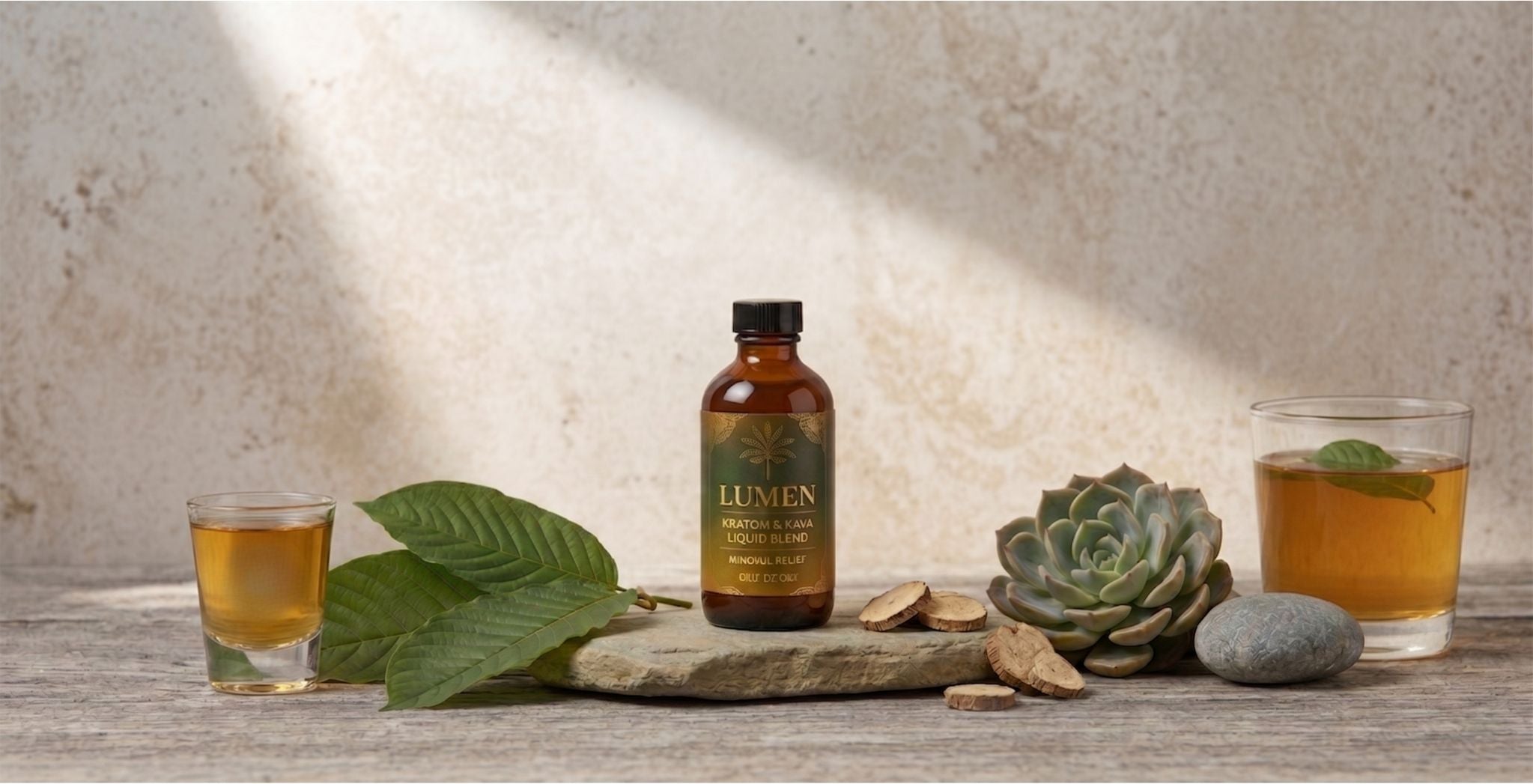
In recent years, botanical supplements have gained significant attention from people seeking natural plant-based options for daily wellness routines. Among the various products entering the market,...
Kratom shots are concentrated liquid products derived from the leaves of Mitragyna speciosa, a tropical evergreen tree native to Southeast Asia. Unlike traditional raw leaf options, these ready-to...
